
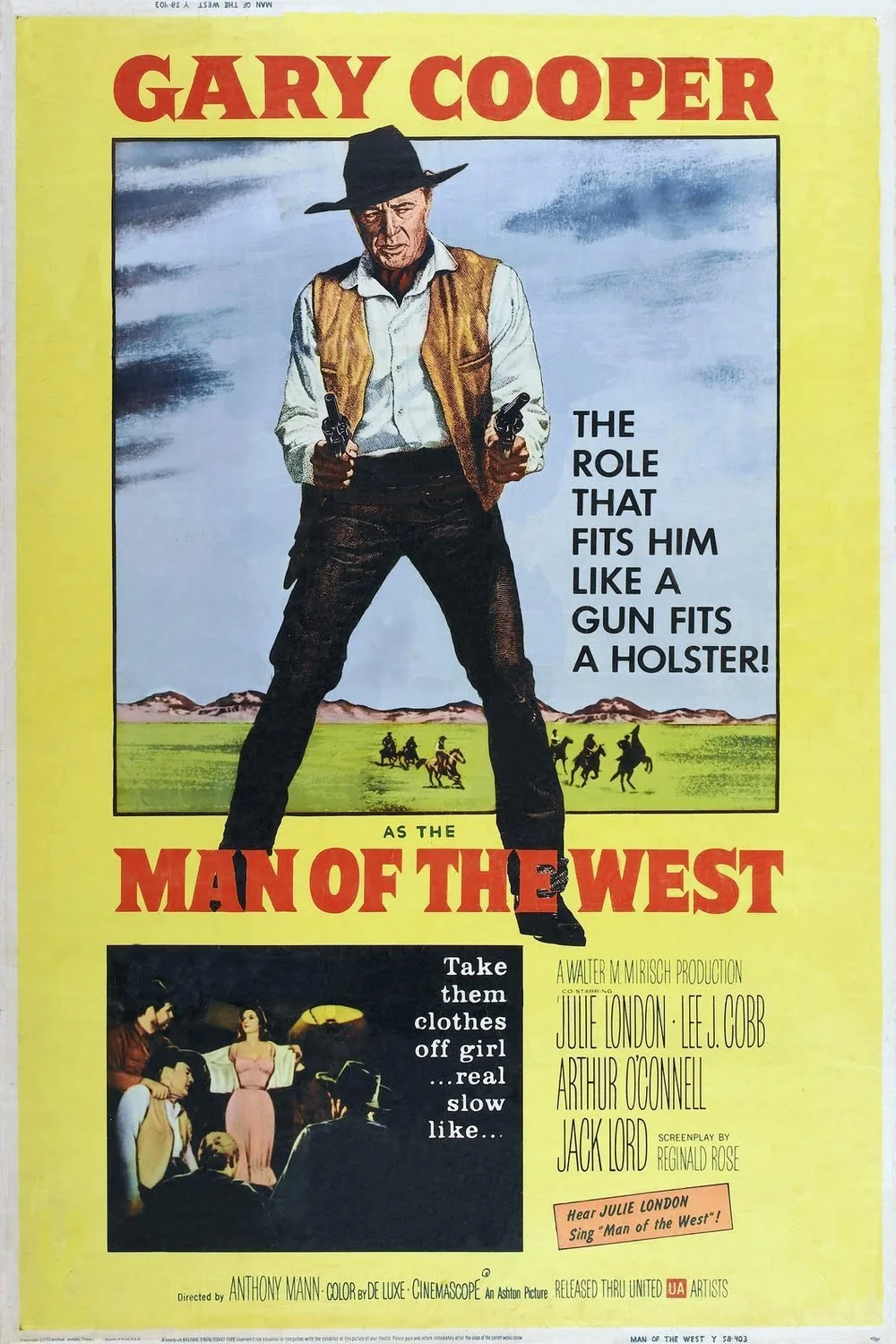
Man of the West
Man of the West
Directed by Anthony Mann. 100 mins. (1958)
Gary Cooper – Link Jones
A reformed outlaw traveling east to hire a schoolteacher is stranded with unlikely companions and forced to confront his violent past when he encounters the criminal gang that once raised him.
Also starring Julie London, Lee J. Cobb, Arthur O’Connell, and John Dehner.
One of Gary Cooper’s final Westerns, the film is now regarded as a genre classic; French critic Jean-Luc Godard championed it upon release. Despite lingering injuries from a past car accident, Cooper performed many of his own riding scenes.
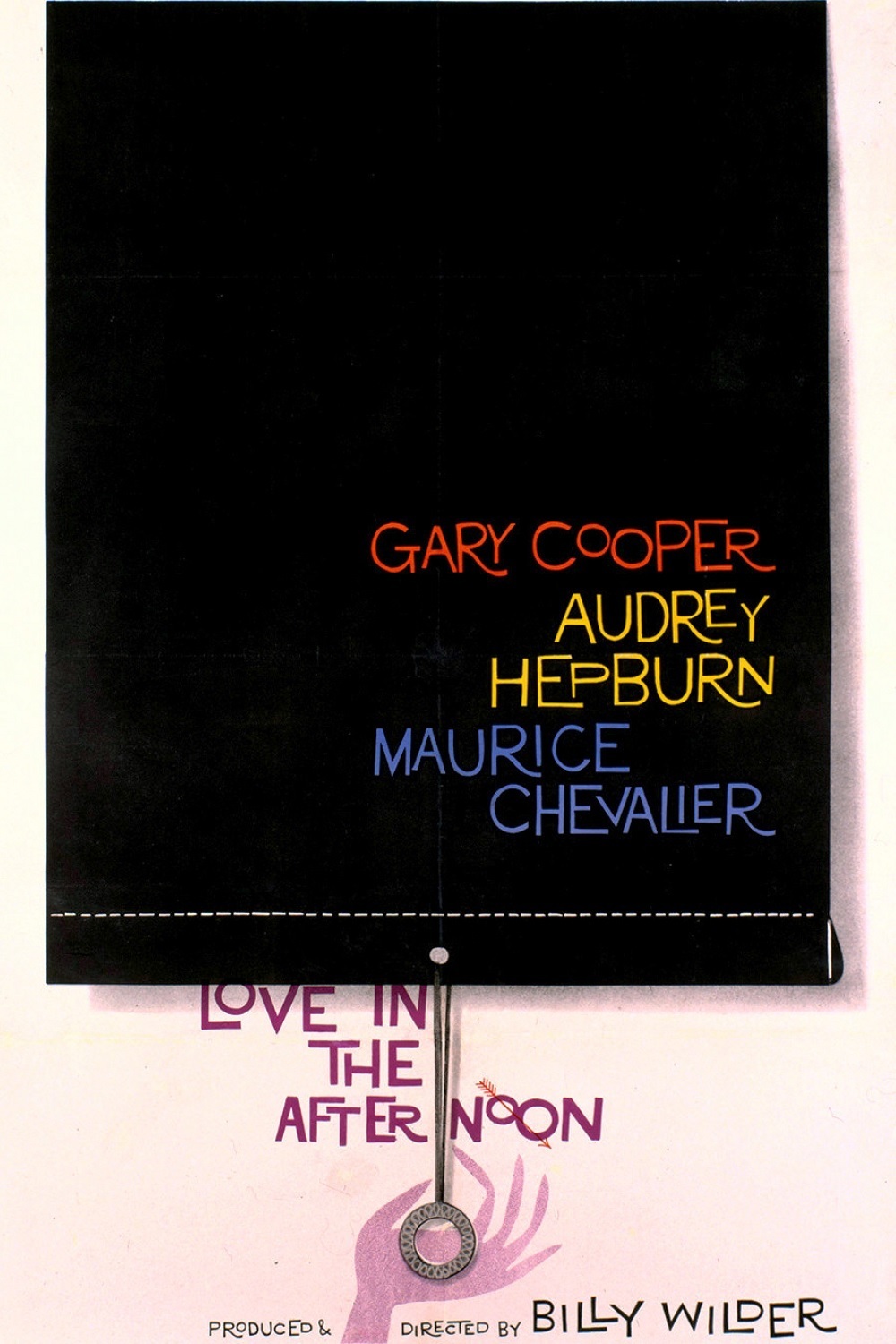
Love in the Afternoon*
Love In the Afternoon
Directed by Billy Wilder. 130 mins. (1957)
Gary Cooper – Frank Flannagan
A charming American playboy in Paris becomes the target of a jealous husband’s murder plot, only to find himself unexpectedly drawn to the naïve young daughter of the private detective hired to protect him.
Also starring Audrey Hepburn, Maurice Chevalier, John McGiver, Van Doude, and Lise Bourdin.
Billy Wilder’s romantic comedy pairs Gary Cooper with Audrey Hepburn in a May–December romance that tested censorship boundaries; a dubbed line was added to soften implications of their intimacy. The film received multiple international awards and honors.
MARIA’S NOTES
The movie Love in the Afternoon was taken from a popular french story titled “Arianne."
It is a film in which Gary Cooper plays not to his typical film image at all. Every actor wants to ‘stretch his abilities, and take on different personas. He had gotten a piece of advice in the early days from Sam Goldwyn who said in effect-" to be careful Coop and never let your public down. They don’t want to see you as other than the “hero,” in whatever form…”
His character Frank Flannagan in Love in the Afternoon is a tycoon/playboy of a “certain age” who has been definitely around the track many times and is romancing a very young, beautiful, charming cello student, Audrey Hepburn, who lives with her detective father, Maurice Chevalier. It reunites professionally Cooper and the great director Billy Wilder, who were close personal friends (their first film together was with Claudette Colbert in Bluebeards’s Eighth Wife in 1938 ).
Wilders first choice for this role was Cary Grant or Yul Brynner, however schedules didn’t permit, but given Coopers age Wilder felt it could work very well with him portraying such a sophisticated scoundrel. My father was tired playing ‘virtuous” roles, wanted to do the film, work with Billy again, and then--location in Paris was NO hardship!
One of the lovelier scenes takes place when he is having a picnic in the Bois ( the park) in Paris. I was visiting the shoot that day and when the crew took a lunch break my father said to me,” Do you want to go for a row on the lake.? It was beautiful as he got his daily workout by rowing very energetically around the little islands of trees and flowers, but funny to see all the crowds lining the banks of the large lake..all pointing and wondering who was the young lady in the rowboat with Gary Cooper????
Does the comedy give Cooper the chance to redeem himself in the end??. I invite you to watch a kind of magical romance and find out for yourself.
Maria Cooper Janis
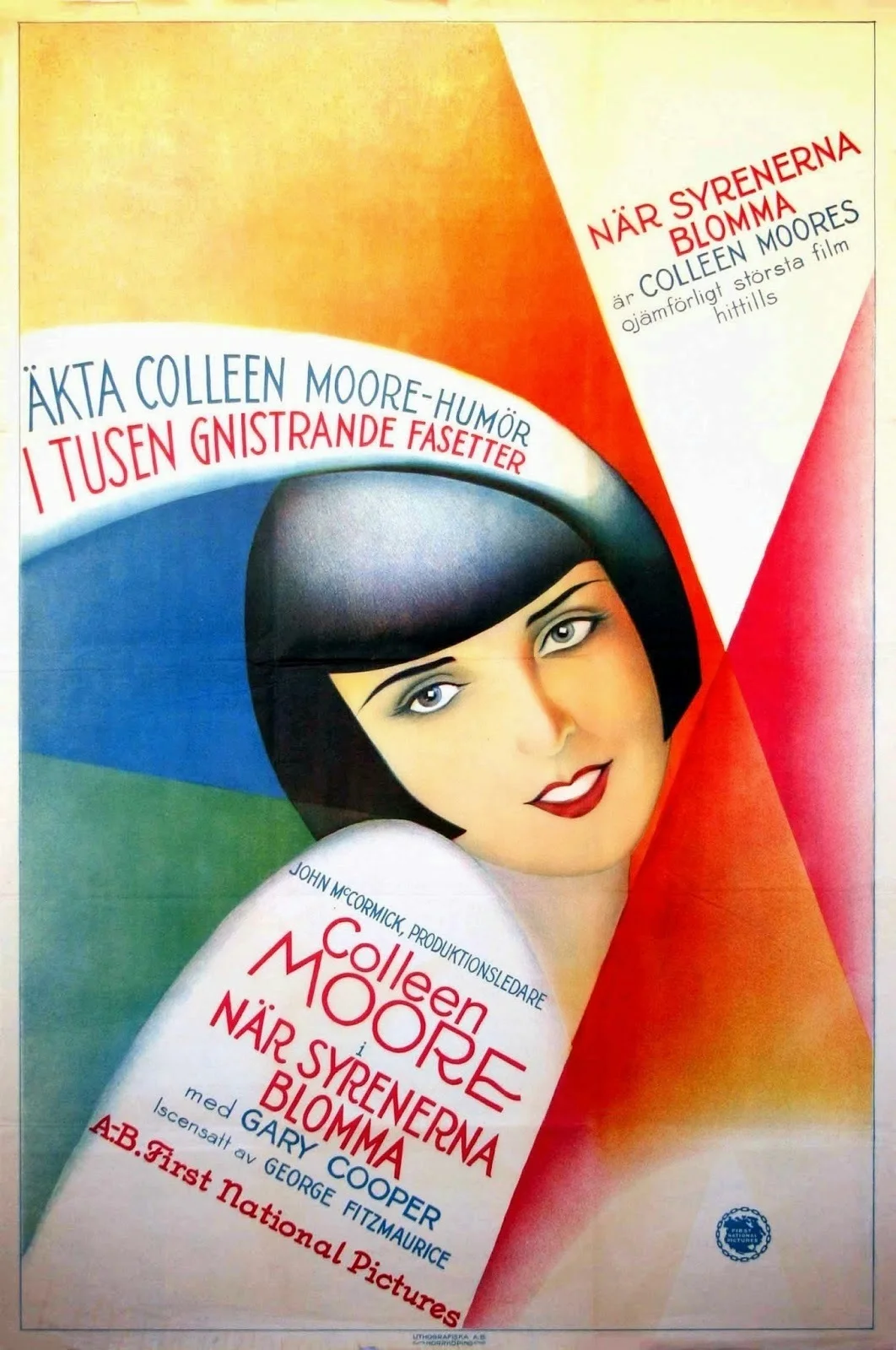
Lilac Time
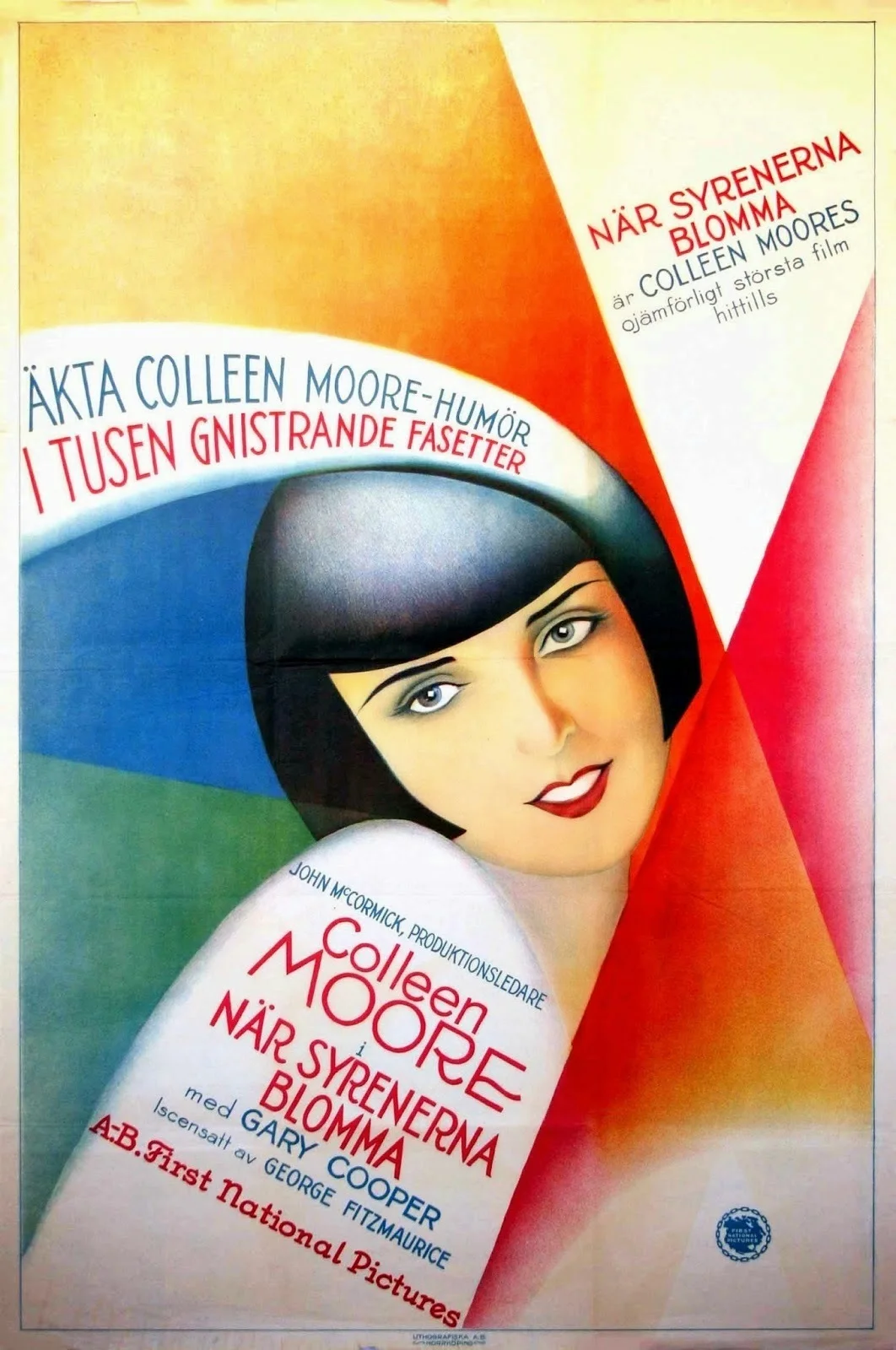
Lilac Time
Directed by George Fitzmaurice. 80 mins. (1928)
Gary Cooper – Capt. Philip Blythe
During World War I in rural France, a British aviator billeted at a farmhouse falls in love with the farmer’s daughter, their fragile romance unfolding beneath the constant shadow of aerial combat and loss.
Also starring Colleen Moore, Eugenie Besserer, Burr McIntosh, and Kathryn McGuire.
A silent wartime romance noted for its atmospheric sentiment, the film inspired immersive exhibition practices—one Boston theater famously scented its auditorium with lilac perfume during screenings.
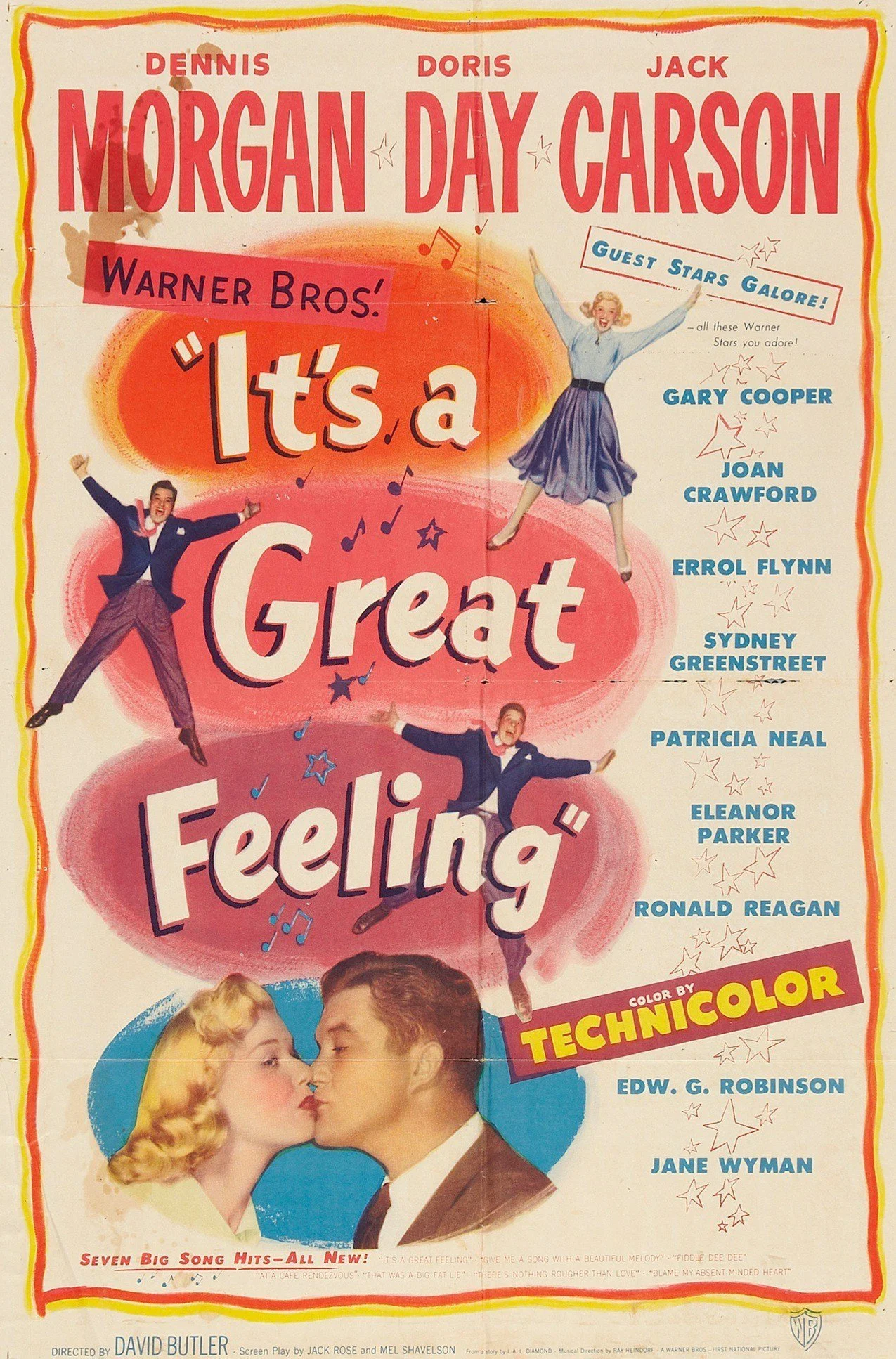
It’s a Great Feeling
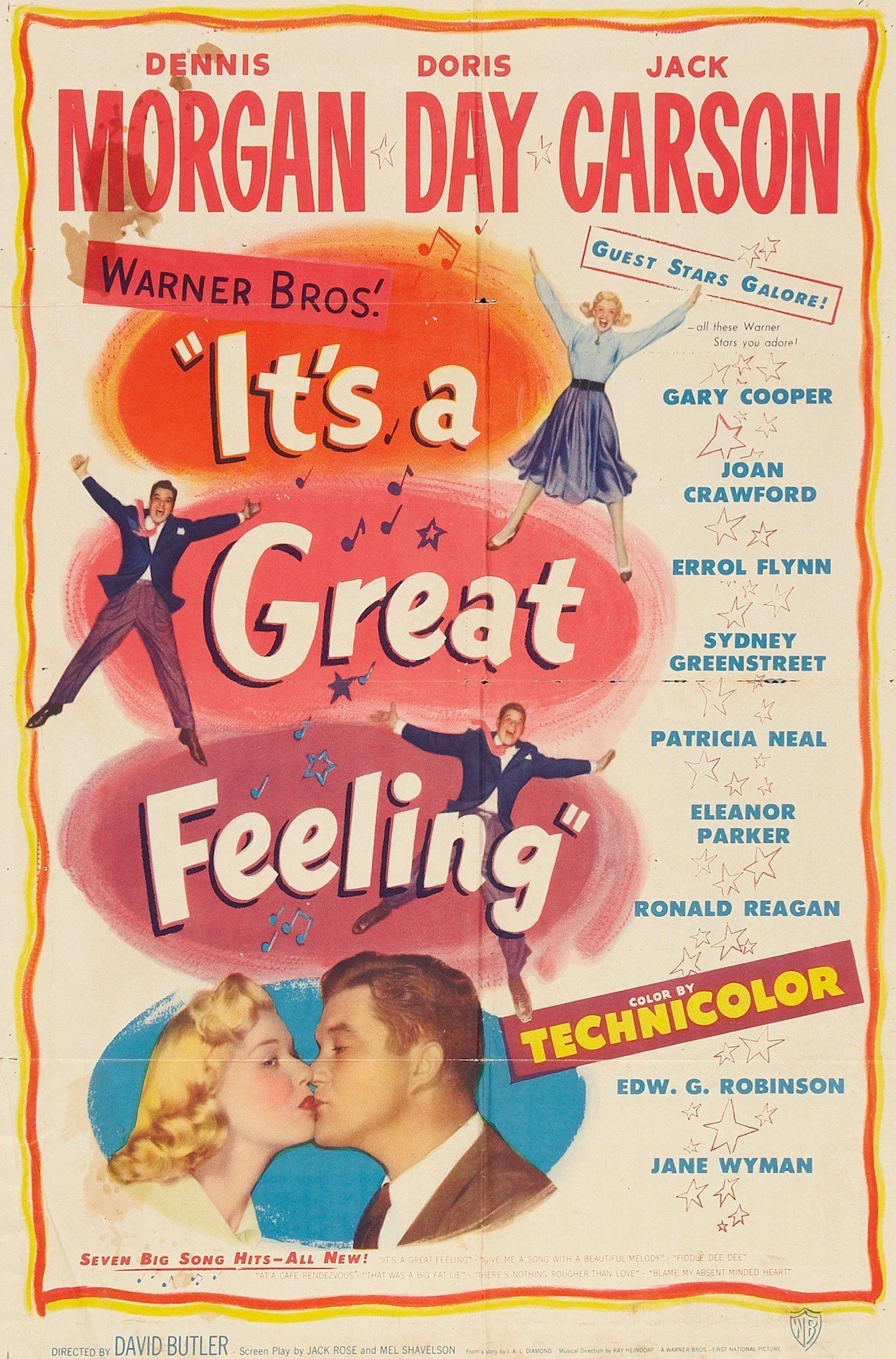
It’s a Great Feeling
Directed by David Butler. 85 mins. (1949)
Gary Cooper – Gary Cooper
An ambitious Warner Bros. waitress dreams of stardom and believes her chance has come when two studio actors agree to help her navigate Hollywood—sparking a series of comic misadventures behind the scenes of the film industry.
Also starring Dennis Morgan, Doris Day, Jack Carson, Bill Goodwin, and Irving Bacon.
This lighthearted studio comedy features numerous Warner Bros. contract players appearing as themselves, including Gary Cooper in a self-parodic cameo role. Nominated for an Academy Award for Best Original Song.
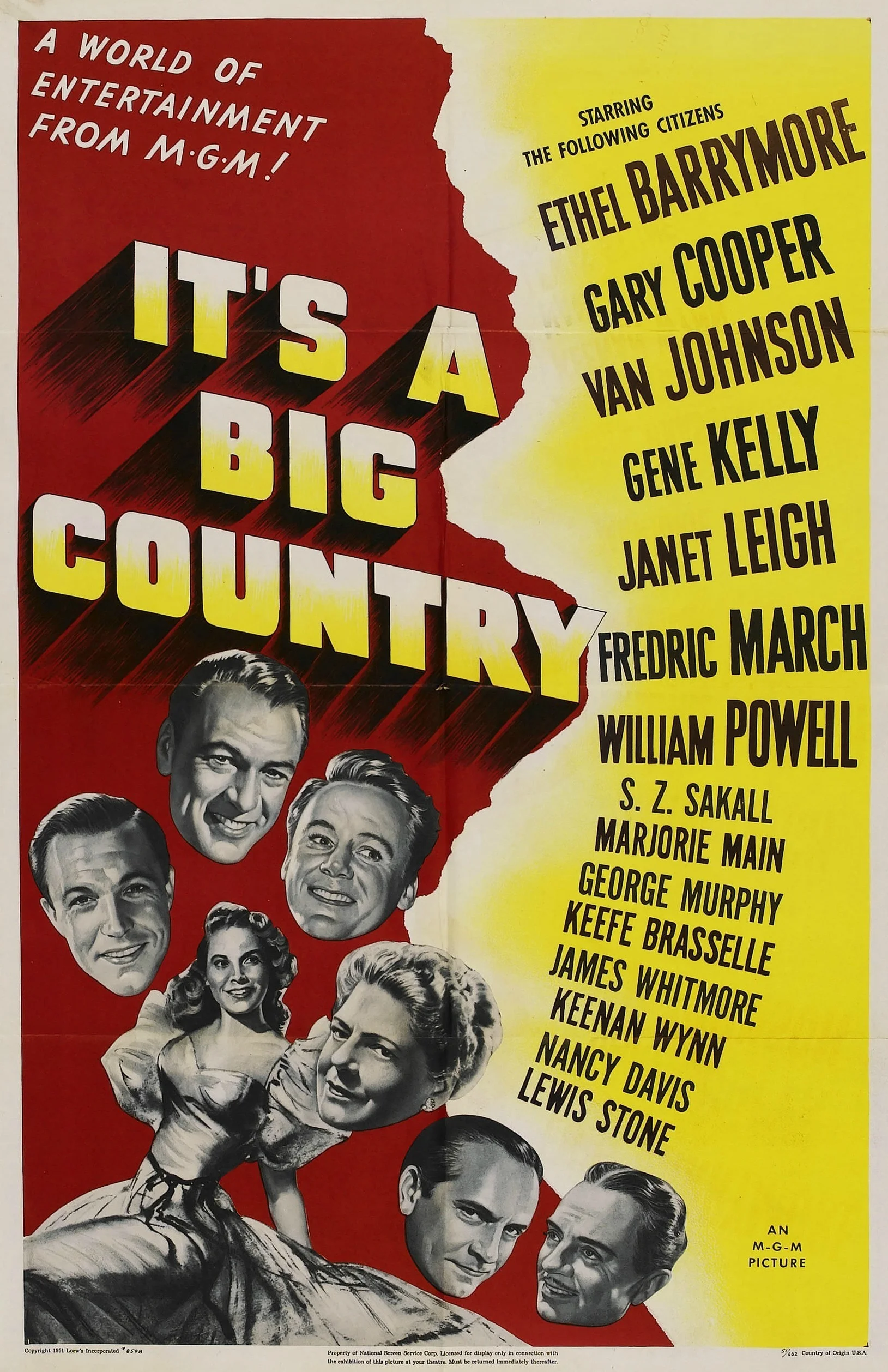
It’s a Big Country
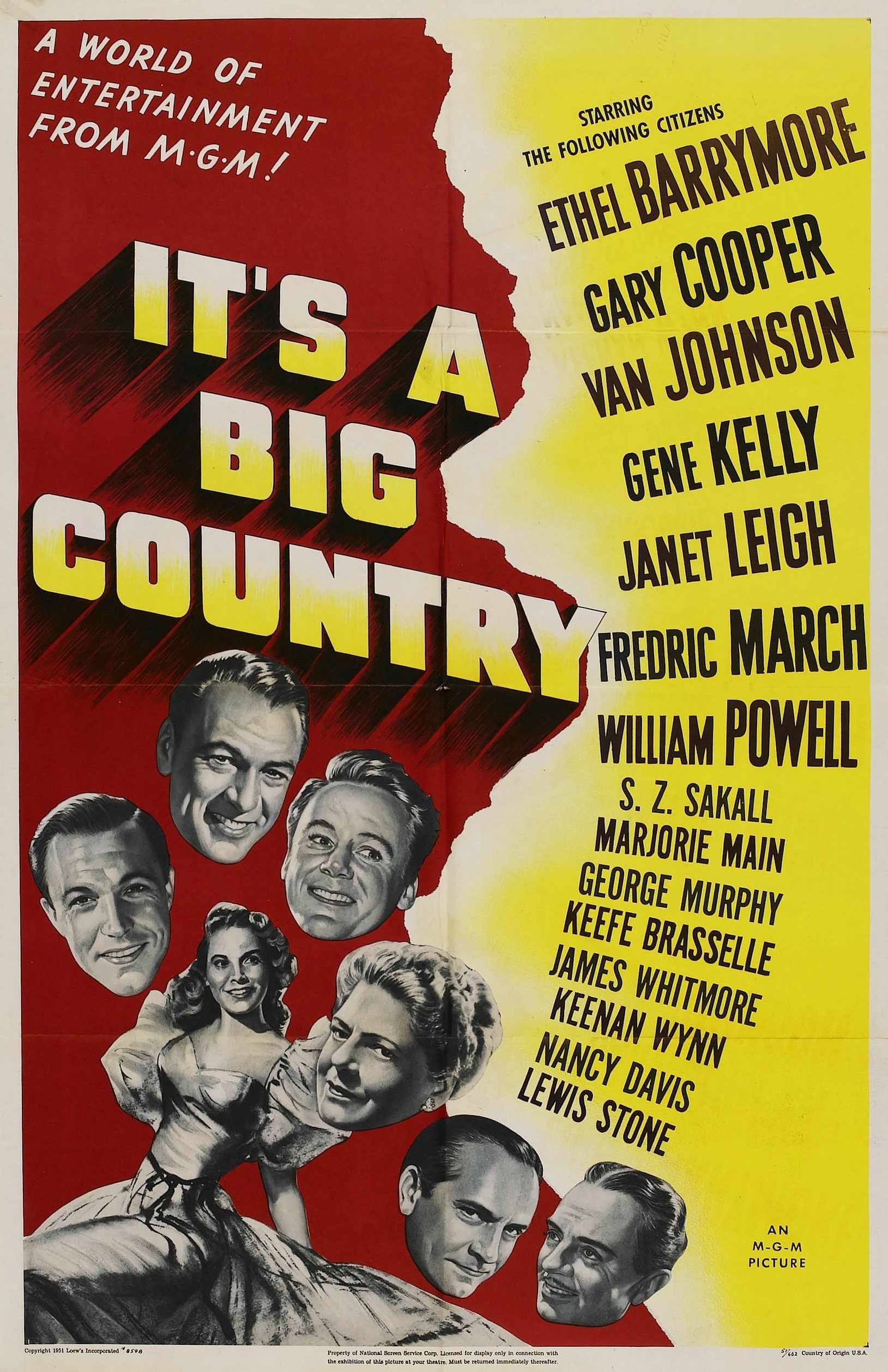
It’s a Big Country
Directed by Clarence Brown, Don Hartman, John Sturges, Richard Thorpe, Charles Vidor, Don Weis, and William A. Wellman. 89 mins. (1951)
Gary Cooper – Texas
A patriotic anthology of eight independent stories celebrating the diversity of American life, framed by a university lecture and brought to life through a gallery of MGM stars portraying symbolic regional and cultural portraits across the United States.
Also starring Ethel Barrymore, Keefe Brasselle, Nancy Reagan, Janet Leigh, Gene Kelly, and Louis Calhern (narrator).
This MGM ensemble production assembles many of the studio’s leading directors and performers in a postwar tribute to American identity. Gary Cooper appears in the segment “Texas,” a tongue-in-cheek homage to the state’s outsized mythology.
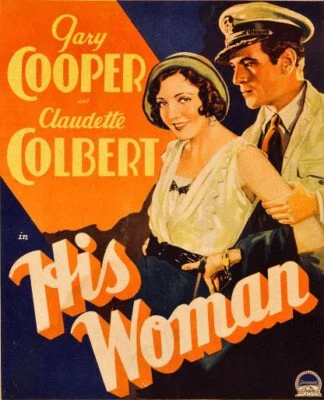
His Woman
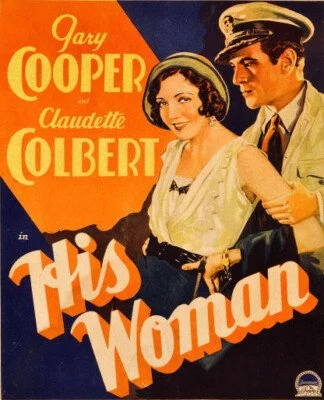
His Woman
Directed by Edward Sloman. 76 mins. (1931)
Gary Cooper – Capt. Sam Whalen
A hardened Caribbean freighter captain hires a drifting young woman posing as a missionary’s daughter to care for an abandoned baby aboard his ship, but a violent incident at sea and revelations about her past threaten their fragile romance once they reach New York.
Also starring Claudette Colbert, Averil Harris, Joseph Calleia, and Hamtree Harrington.
This early sound melodrama pairs Gary Cooper with Claudette Colbert in one of their first screen collaborations. The film blends maritime adventure with pre-Code social themes, including sexual violence and moral ambiguity, elements that would soon be curtailed under the Production Code.
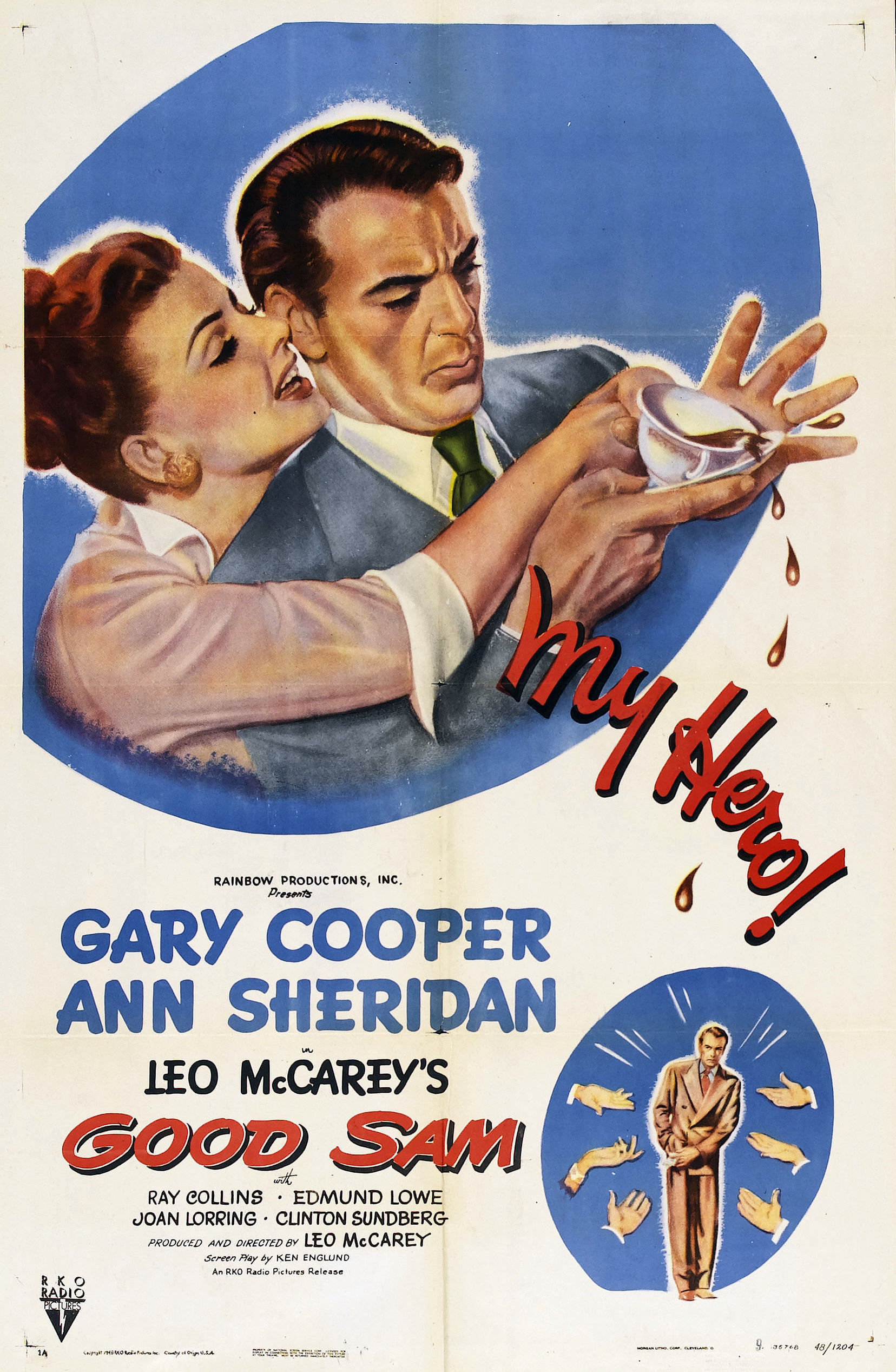
Good Sam
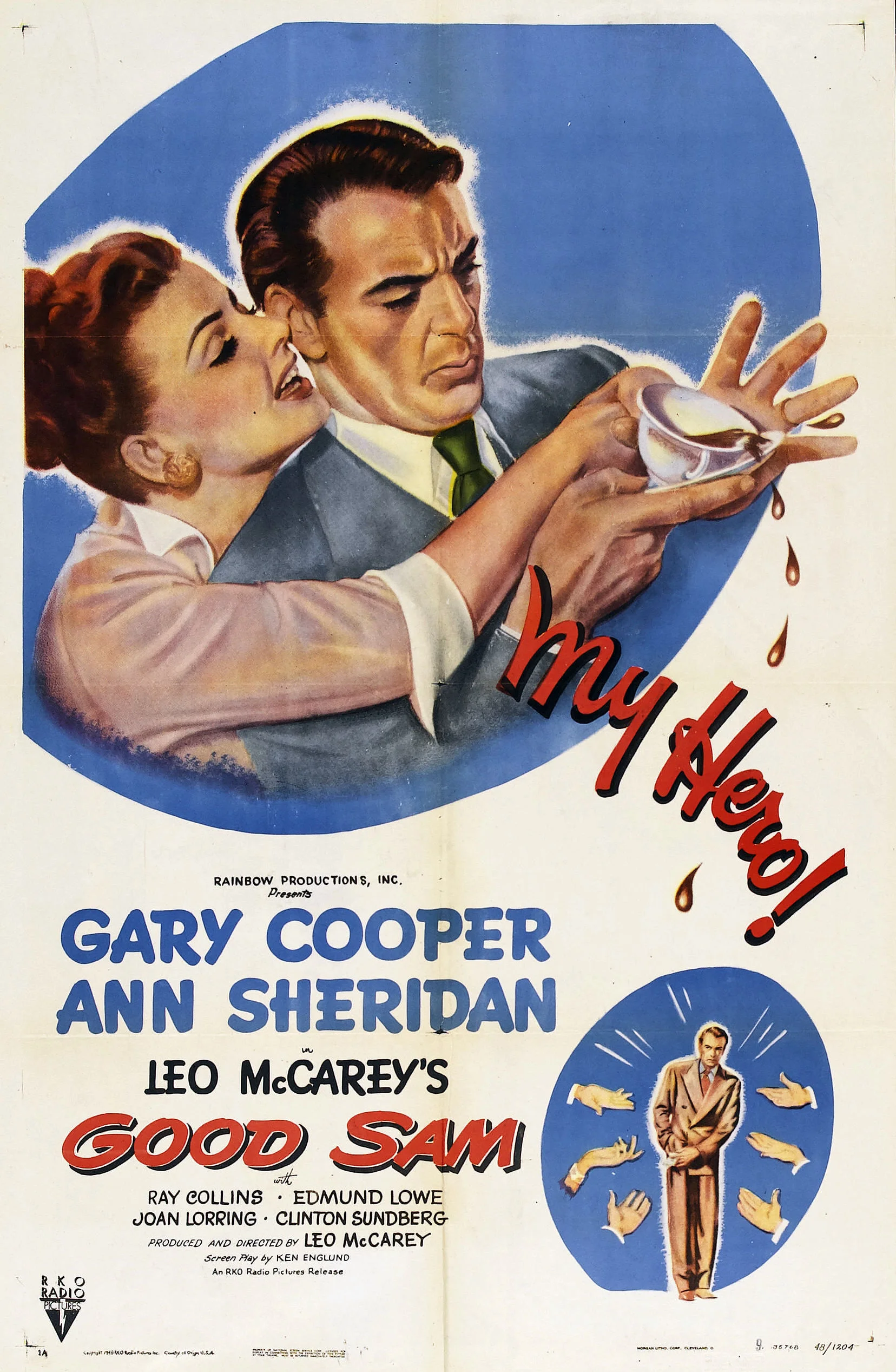
Good Sam
Directed by Leo McCarey. 114 mins. (1948)
Gary Cooper – Sam Clayton
A kind-hearted small-town banker is devoted to helping anyone in need, often at the expense of his own family’s security, until a series of financial setbacks forces him to confront the limits of generosity and the true meaning of responsibility.
Also starring Ann Sheridan, Ray Collins, Edmund Lowe, Joan Lorring, and Clinton Sundberg.
Director Leo McCarey filmed two alternate endings and selected the final version based on audience preview responses. The film continues McCarey’s exploration of faith, charity, and moral conscience in everyday American life.
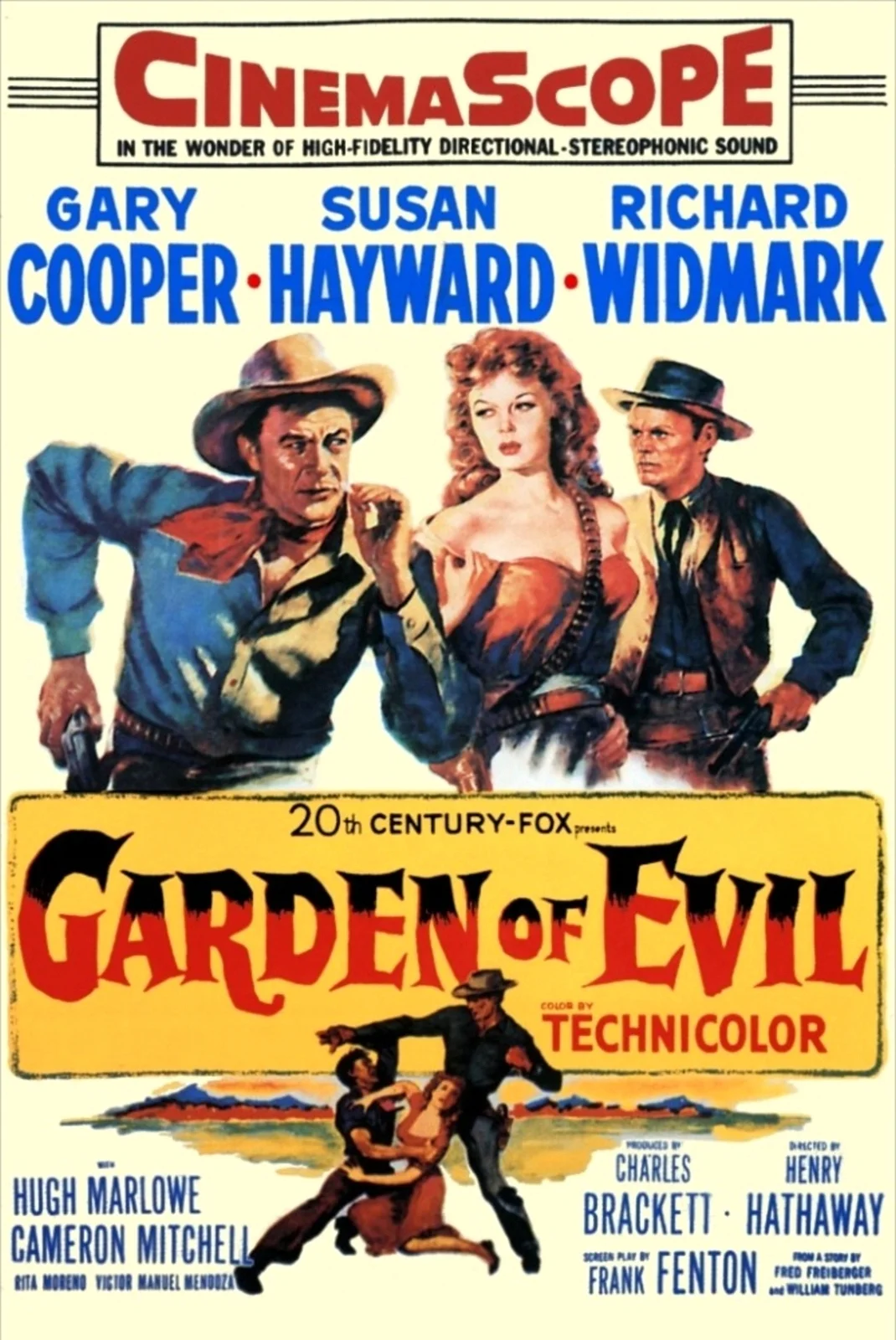
Garden of Evil
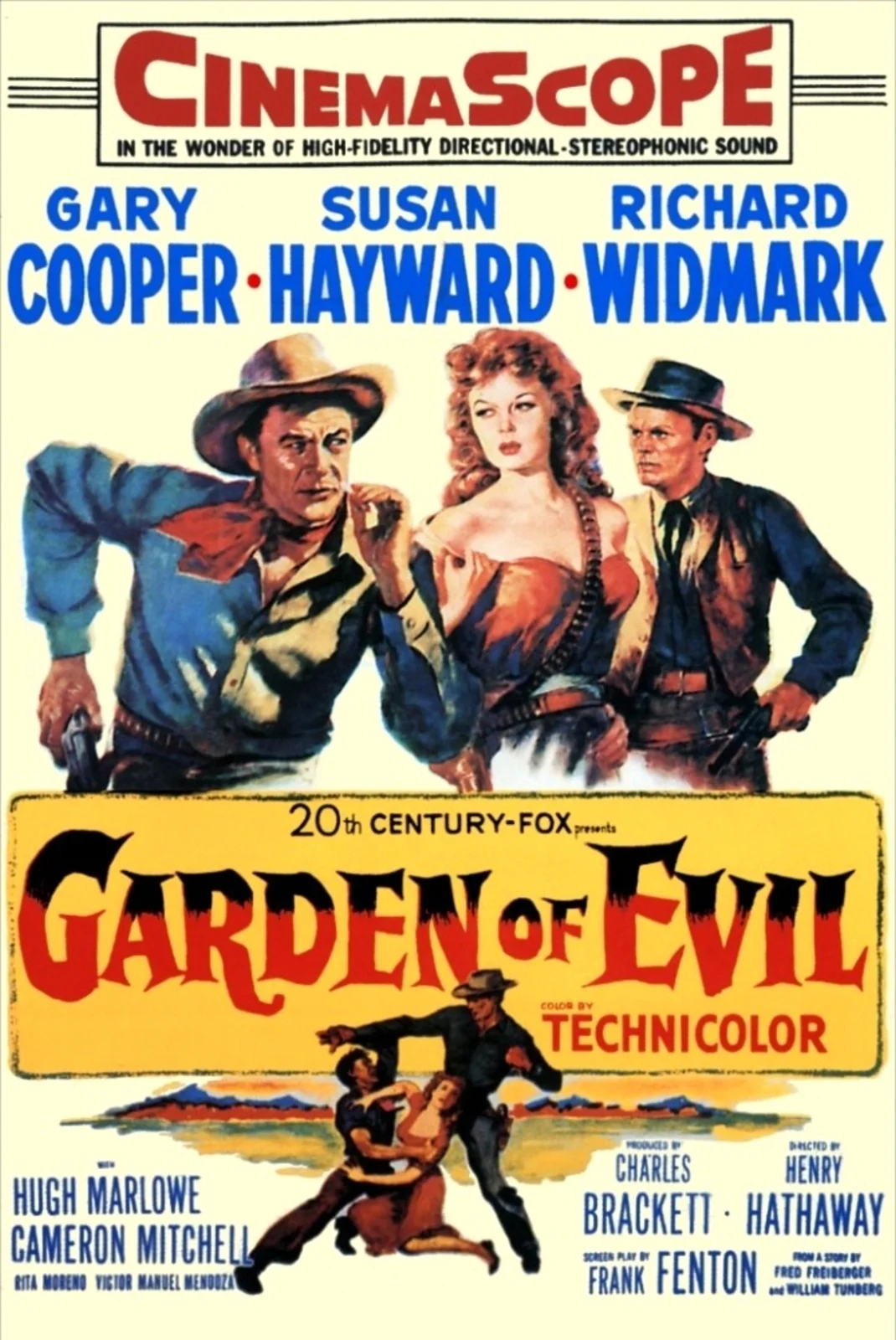
Garden of Evil
Directed by Henry Hathaway. 100 mins. (1954)
Gary Cooper – Hooker
Stranded in a remote Mexican village on their way to the California gold fields, three American adventurers accept a perilous mission to guide a determined woman through hostile mountain territory to rescue her husband, trapped in a collapsed gold mine—each man weighing the promise of fortune against his own motives and survival.
Also starring Susan Hayward, Richard Widmark, Hugh Marlowe, Cameron Mitchell, and Rita Moreno.
Bernard Herrmann’s atmospheric score anticipates musical themes he later developed for Alfred Hitchcock’s Vertigo. Shot on location in Mexico, the film blends psychological tension with rugged frontier adventure.
MARIA’S NOTES
It was rare that my mother and I would join my father on location but it was Christmastime and we wanted to be together as a family so there we were in Cuernavaca, Mexico while the shooting was taking place in the nearby countryside and at the foot of the mountains. It was very rugged territory around Uruapan with a mixture of jungles, black volcanic rock and sinister looking black sand. The Director was a longtime family friend, Henry Hathaway, who had in fact directed my father in 7 previous films.
For the most part, we were all based in Cuernavaca and it was wonderful to be around the Hathaways whom I called Uncle Henry and Aunt Skip. Henry was a passionate and exacting Director and the frustrations of this location drove him crazy. I’ll never forget one complex scene in particular. The “good guys” are trapped in a ravine with cliffs rising high above them, over 1,000 feet, creating a narrow escape route for my father and his team. Of course, the Indians did not like their territory being invaded by the “white man” and were not friendly. The great dramatic shot was supposed to have my father and friends trapped in this ravine with the canyon walls looming over them. Hundreds of Indians on horseback were supposed to appear at the rime of the mesa. A great shot if they were lined up like the Rockettes. They were supposed to appear all at the once silhouetted against the blue cloudless sky.
This was not the day of cellphones. The walkie-talkies we had were not working and Henry was obliged to yell all directions through a gigantic bullhorn. But I guess the wind was blowing the wrong direction because Henry’s instructions seemed to be of no avail. The Indians who were supposed to appear all at once at the rim of the plateau didn’t seem to hear him and with retake after retake, there were only clumps of Indians, not looking very threatening - no dramatic effect at all. Henry yelled and cursed, turned crimson in rage – I was afraid a heart attack was imminent.
My father’s costars were Susan Hayward and Richard Widmark and were fun to hang out with after a day’s shooting and I had the pleasure of being part of the group and dancing with Mr. Widmark. One of the other costars made a bit of a scene off camera with Miss Hayward. One morning he appeared on the set with 4 deep, red, long, fingernail gashes across his cheek. The part called for him to look rather beaten up so the makeup woman did not have to camouflage too much.
My father loved Mexico – its people, their food and the wildness of its natural environments – and relished every time a film could be shot on location in that country.
Maria Cooper Janis
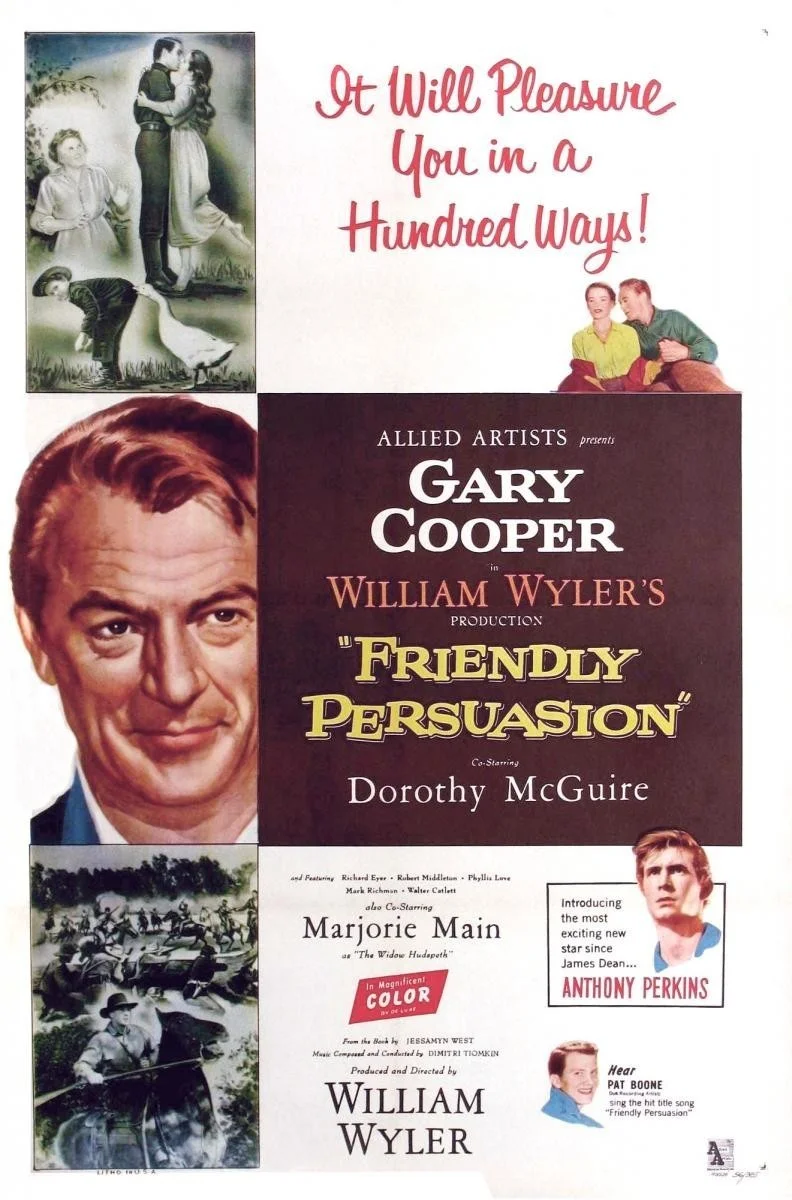
Friendly Persuasion*
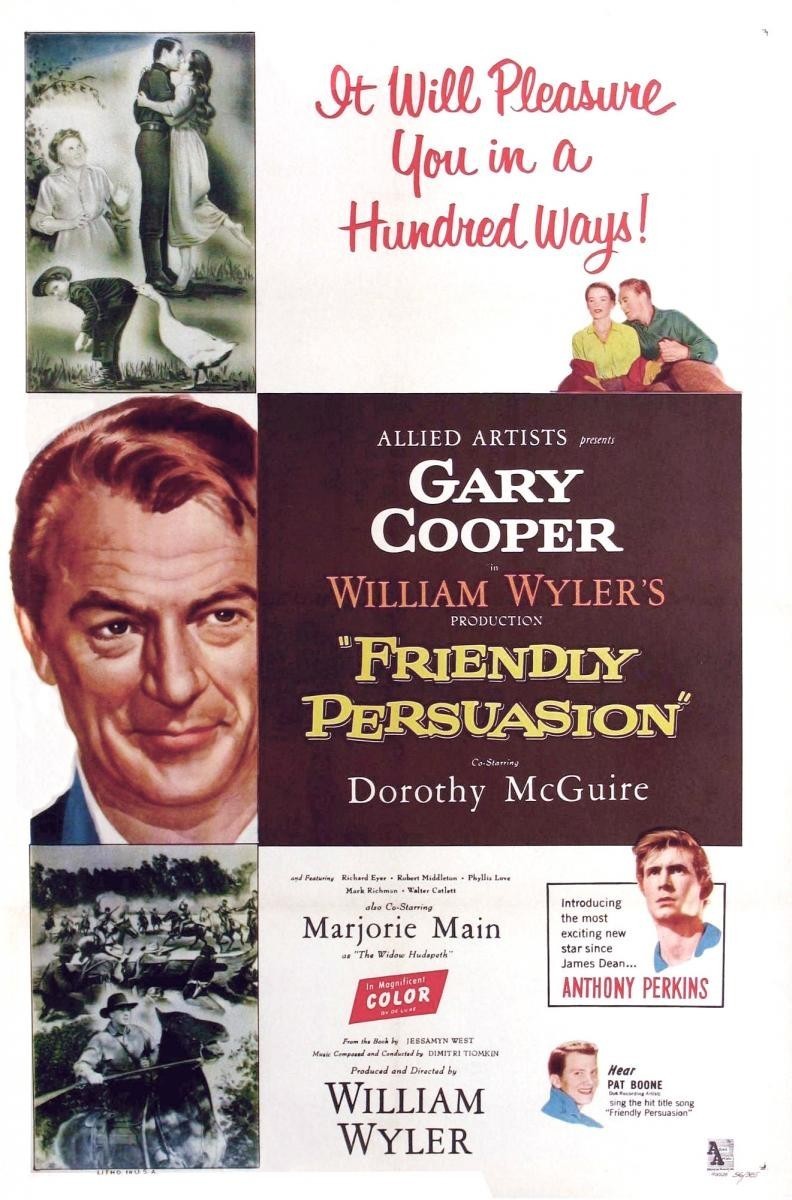
Friendly Persuasion
Directed by William Wyler. 137 mins. (1956)
Gary Cooper – Jess Birdwell
In a close-knit Indiana Quaker community during the Civil War, gentle farmer Jess Birdwell and his family strive to uphold their pacifist faith amid mounting national conflict—until the arrival of Confederate forces forces them to confront the limits of conscience, courage, and nonviolence.
Also starring Dorothy McGuire, Anthony Perkins, Richard Eyer, Robert Middleton, and Phyllis Love.
Adapted from the novel by Jessamyn West, the film explores the moral tensions between spiritual conviction and worldly duty. A critical and popular success, it earned six Academy Award nominations and the Palme d’Or at the Cannes Film Festival. President Ronald Reagan later cited it as his favorite film, presenting a VHS copy to Soviet leader Mikhail Gorbachev during the 1988 summit.
MARIA’S NOTES
Friendly Persuasion is a film my father, Gary Cooper, was not at all sure he should do because it would have been the first time his role was as a father and he strongly questioned the wisdom of that as a career choice. The wonderful Director William Wyler, had wanted to do this picture for years with Cooper but had to postpone making it because previous film commitments made my father unavailable. Thank goodness they finally got together.
The Wylers and the Coopers were friends and the chance to work together made my father very happy. The story itself was written by Jessamyn West but the writer for the script was Michael Wilson. This was a resonance to a darker time in Hollywood when Michael Wilson’s name was withheld from the credits because the studio chose, “their right to deny credit to a writer who had been accused of being a member of the Communist Party or refused to answer charges of Communist affiliations.” Wilson had invoked the 5th Amendment when summoned to be a witness by the House Un-American Activities Committee in 1951. This script was even nominated for an Academy Award for Best Adaptation but was judged ineligible! It’s quite an irony this story actually was based on an article written by a cousin of President Richard Nixon about their great great-grandparents – how strange – a pacifist screenplay written by a blacklisted writer about the ancestors of President Nixon.
The beautiful music score was composed by the Academy Award winning composer of High Noon, Dimitri Tiomkin. My father loved the music for the film and went around the house humming the theme song Thee I Love. The studio never asked Gary Cooper to sing it, they got Pat Boone instead and tried my father out on a song called Marry Me, Marry Me about which he said, “I hope all of this won’t ruin my career!”
It is interesting that this film along with Sergeant York and High Noon has as part of its essence a person’s conflict between civic and religious duty and how the lead character handles those decisions. In preparing for his role as Jess Birdwell, the head of a Quaker family, Jessamyn West took my father to several Quaker meetings so that he would have the experience of the fervor and simplicity of the meetings and get to know some members of the congregation. I remember my father saying, “I really like going to those meetings, they are still and they are quiet. I like being with them.” My father was asked how he felt about his role in the film and he answered with a smile, “Well, I played a backsliding Quaker.”
His eldest son, played by Anthony Perkins, is a young man again dealing with a conflict of conscience versus religious conviction and in the film they have a very touching relationship. One day my mother and I visited the set when they were filming a country fair. In a perhaps prescient moment, considering my 53-year long marriage to the world renowned concert pianist Byron Janis, my father went to one of the booths where there was a wonderful glass blower and after about a half hour he presented me with a box with 2 intricately designed glass figures – a concert piano and a man sitting playing it!
Maria Cooper Janis
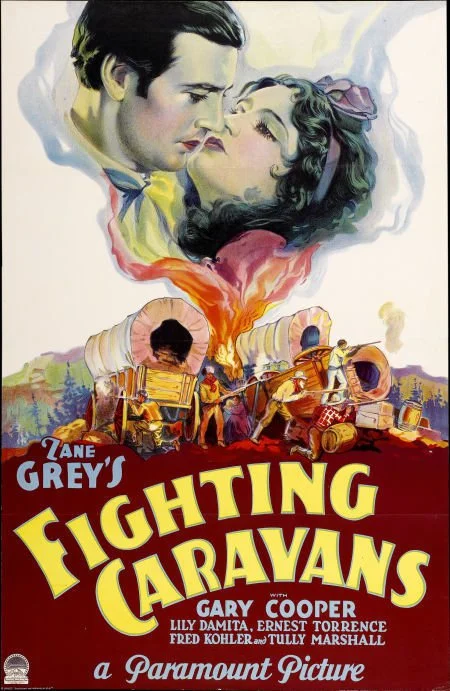
Fighting Caravans
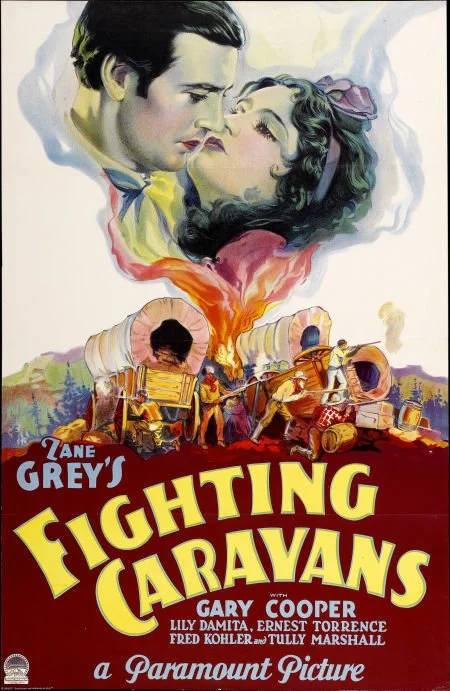
Fighting Caravans
Directed by Otto Brower and David Burton. 92 mins. (1931)
Gary Cooper – Clint Belmet
After a reckless frontiersman is jailed in a rough prairie town, his friends engineer his release by persuading a spirited Frenchwoman to pose as his new bride—sending the mismatched pair westward on a perilous wagon train journey toward California, where hardship, humor, and romance reshape their fates.
Also starring Lili Damita, Ernest Torrence, Tully Marshall, and Fred Kohler.
A blend of frontier adventure and early sound-era comedy, the film captures the dangers and camaraderie of westward migration. It was later remade by Paramount as Wagon Wheels (1934), also starring Randolph Scott.
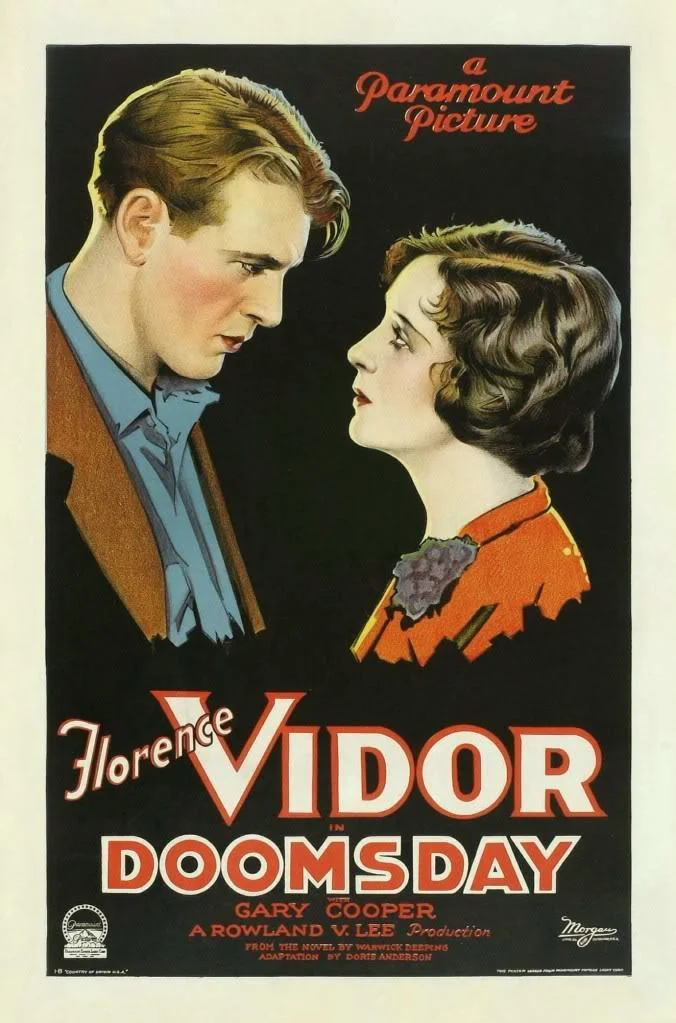
Doomsday
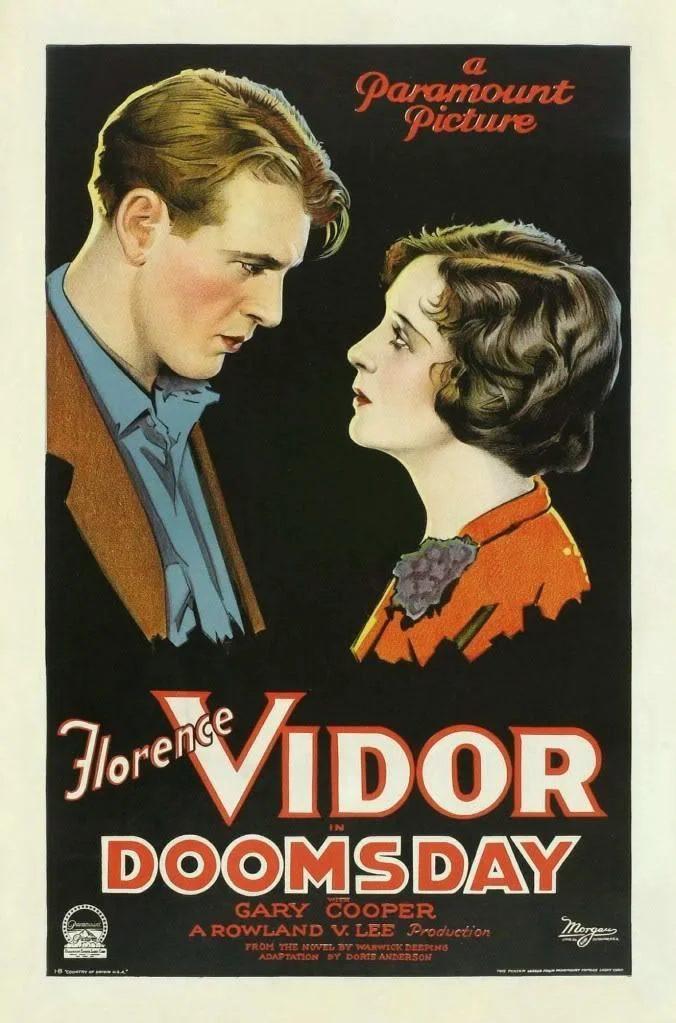
Doomsday
Directed by Rowland V. Lee. 60 mins. (1928)
Gary Cooper – Arnold Furze
When a restless farmer’s daughter is drawn into a world of privilege and sophistication, she must choose between the steadfast love of a humble rural life and the seductive promise of wealth and status—placing two very different men, and two futures, in conflict.
Also starring Florence Vidor, Lawrence Grant, and Charles A. Stevenson.
Adapted from Warwick Deeping’s novel Doomsday (1927), the film was praised for Gary Cooper’s early screen presence; The New York Times critic Mordaunt Hall noted his performance as “wonderfully natural,” with an “ingratiating personality.”
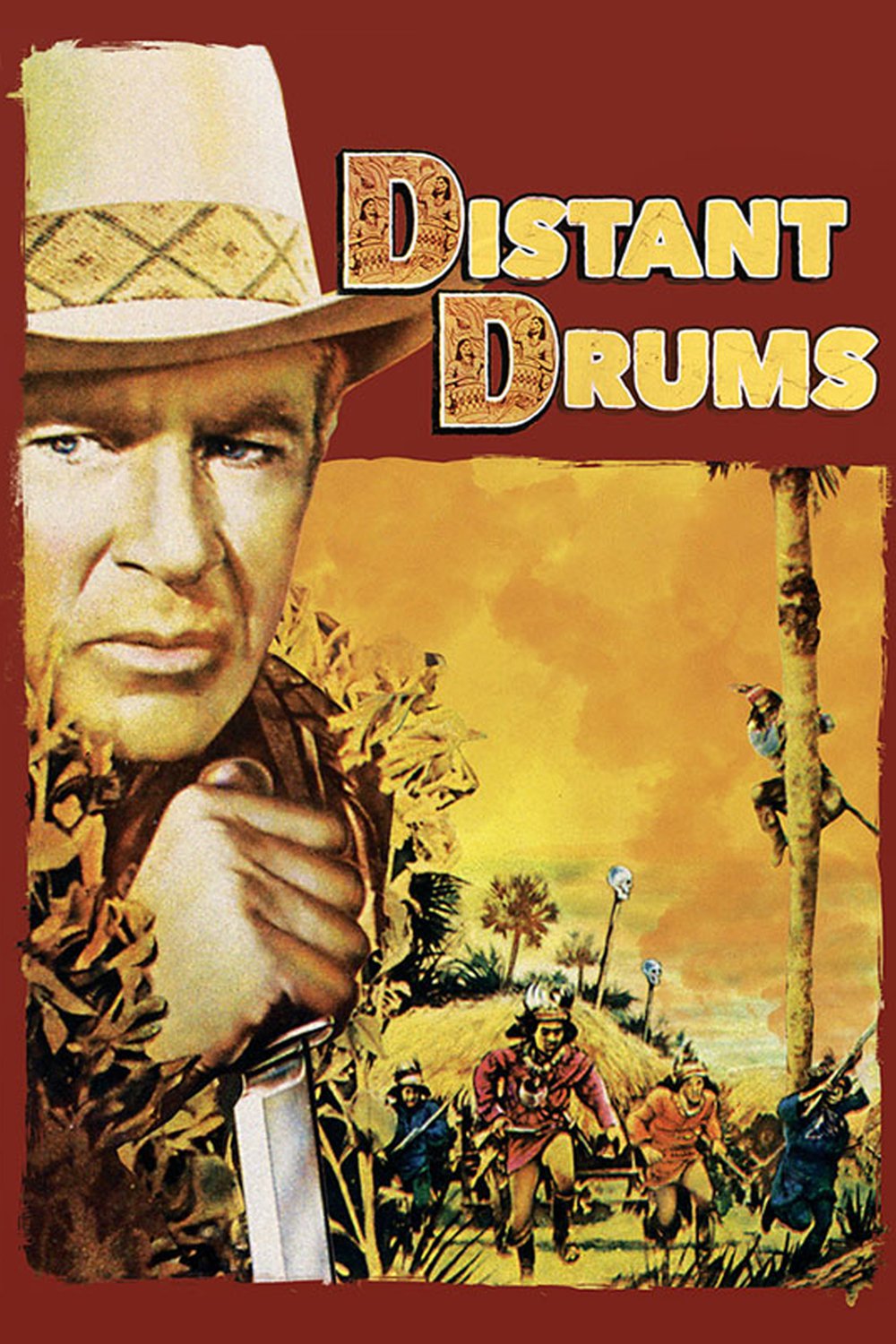
Distant Drums
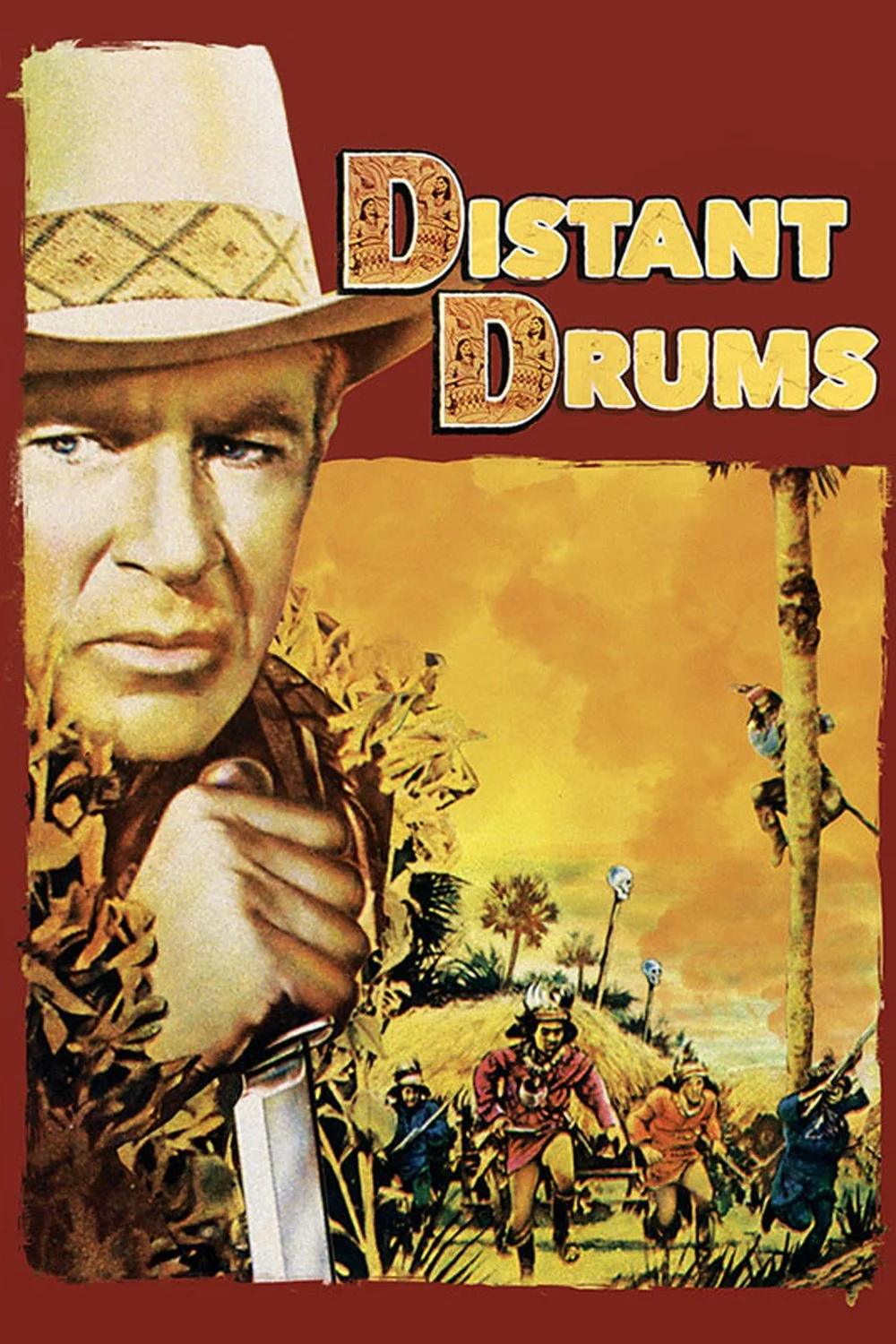
Distant Drums
Directed by Raoul Walsh. 101 mins. (1951)
Gary Cooper – Capt. Quincey Wyatt
After leading a daring raid on a Seminole stronghold during the Second Seminole War, army officer Quincey Wyatt must guide his small band of soldiers and civilians through the treacherous Florida Everglades, evading pursuit and the dangers of the wilderness in a desperate fight for survival.
Also starring Mari Aldon, Richard Webb, Ray Teal, and Robert Barrat.
Shot on location in Florida’s swamps and rivers, the film became one of Gary Cooper’s most physically demanding adventures; his longtime stunt double Slim Talbot recalled that Cooper insisted on performing nearly all of his own action work, relishing the rugged challenges of the production.
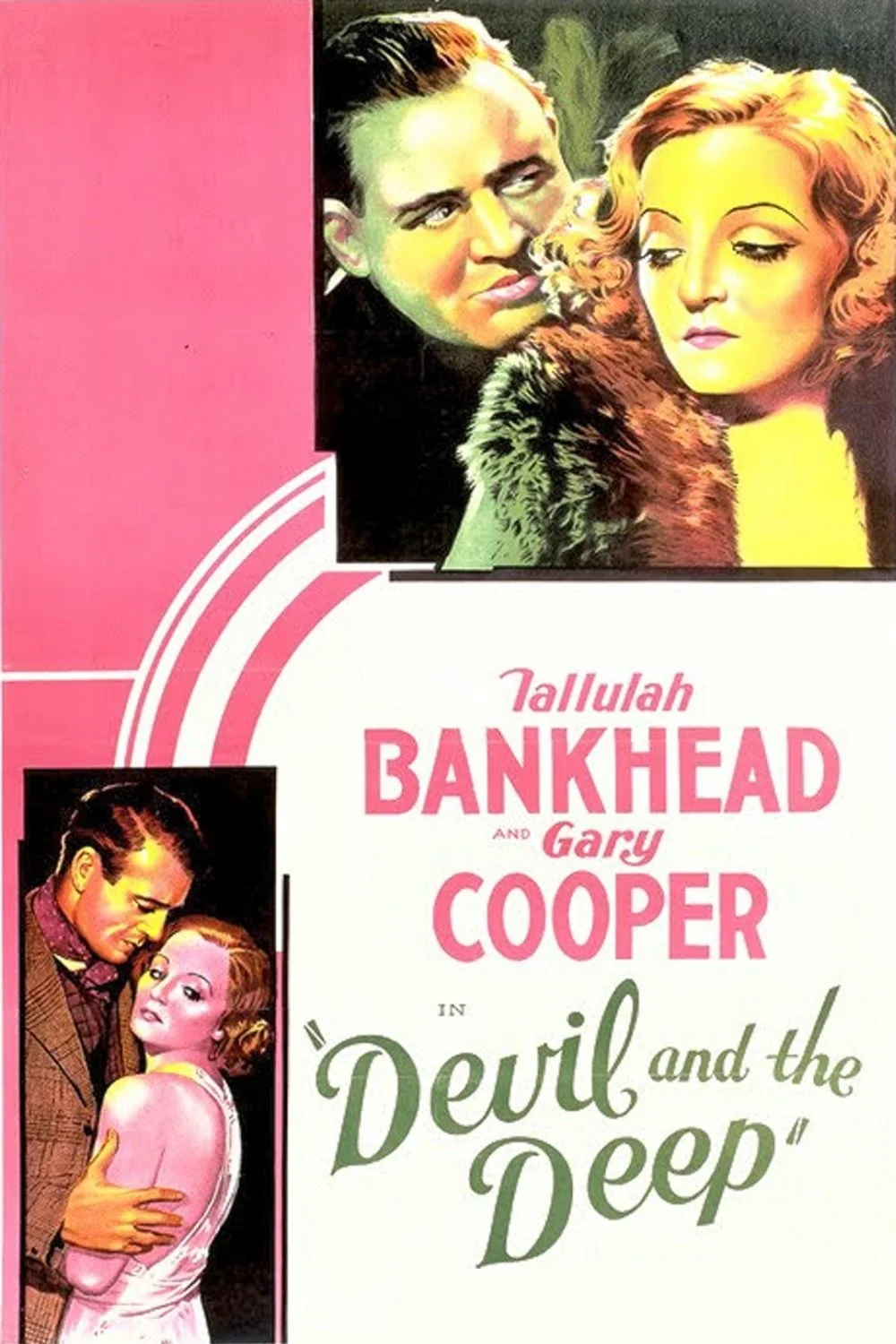
Devil and the Deep*
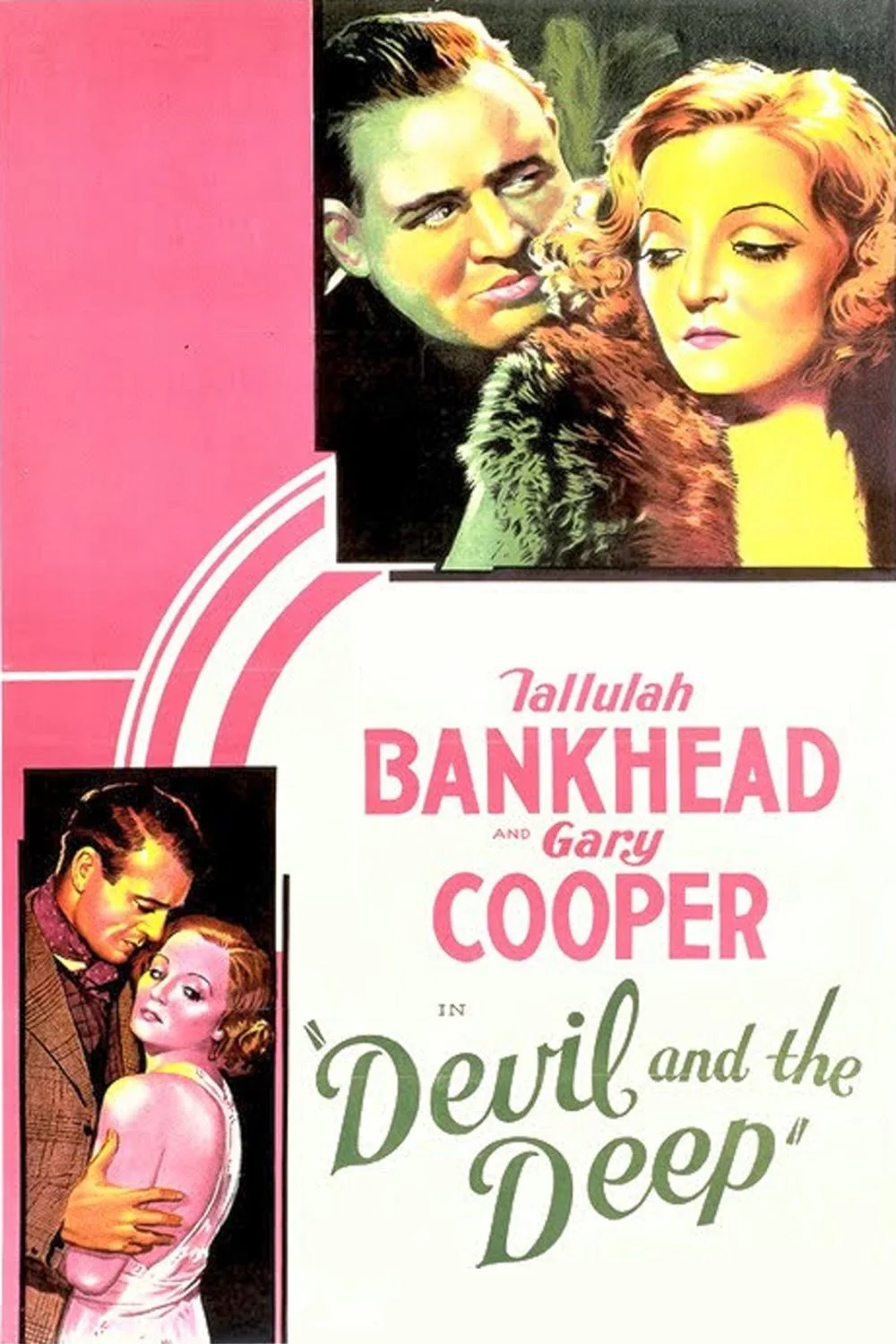
Devil and the Deep
Directed by Marion Gering. 78 mins. (1932)
Gary Cooper – Lt. Semper
The jealous commander of a mysterious naval vessel drives his neglected wife into the arms of a younger officer, setting in motion a dangerous chain of betrayal and revenge at sea.
Also starring Tallulah Bankhead, Charles Laughton, Cary Grant, and Paul Porcasi.
Although the story centers on a naval command, the service to which the characters belong is never identified. No national insignia or flags appear, and the hybrid uniforms worn by Charles Laughton, Cary Grant, and Gary Cooper do not correspond to any known navy.
MARIA’S NOTES
Before taking on a role, my father always liked to read and learn as much as possible about the life conditions and the background of the characters he portrayed. For The Devil and The Deep he did a lot of research on submarines, their technology of the day —1932— and the experience of living under the pressures imposed by life in a sub, and all of that woven into a passionate love triangle. Tallulah Bankhead and the great actor Charles Laughton provided that conflict.Tallulah noticed when making the film, my father spent a lot of time talking with a naval officer who the studio had hired to provide a ‘reality check” for all concerned “What's that got to do with acting?” she asked Gary. “The point is, Poppa replied, “ if I know what I’m doing I don’t have to act”. I think one of the unique things about Gary Cooper is that he embodied a very balanced blend of the masculine and feminine—which we all have in us in varying degrees. The portrayal of his character in this film is that of a man with a beautiful and elegant persona yet ultimately strong and commanding and able to become the “hero” at the end of it all.Charles Laughton admired my father’s acting talents, and is quoted as saying, “Gary had something I should never have. It is something pure and he doesn’t know it’s there. In truth, that boy doesn’t have the least idea of how well he acts…He gets at it from the inside, from his own pure way of looking at life.”
Maria Cooper Janis
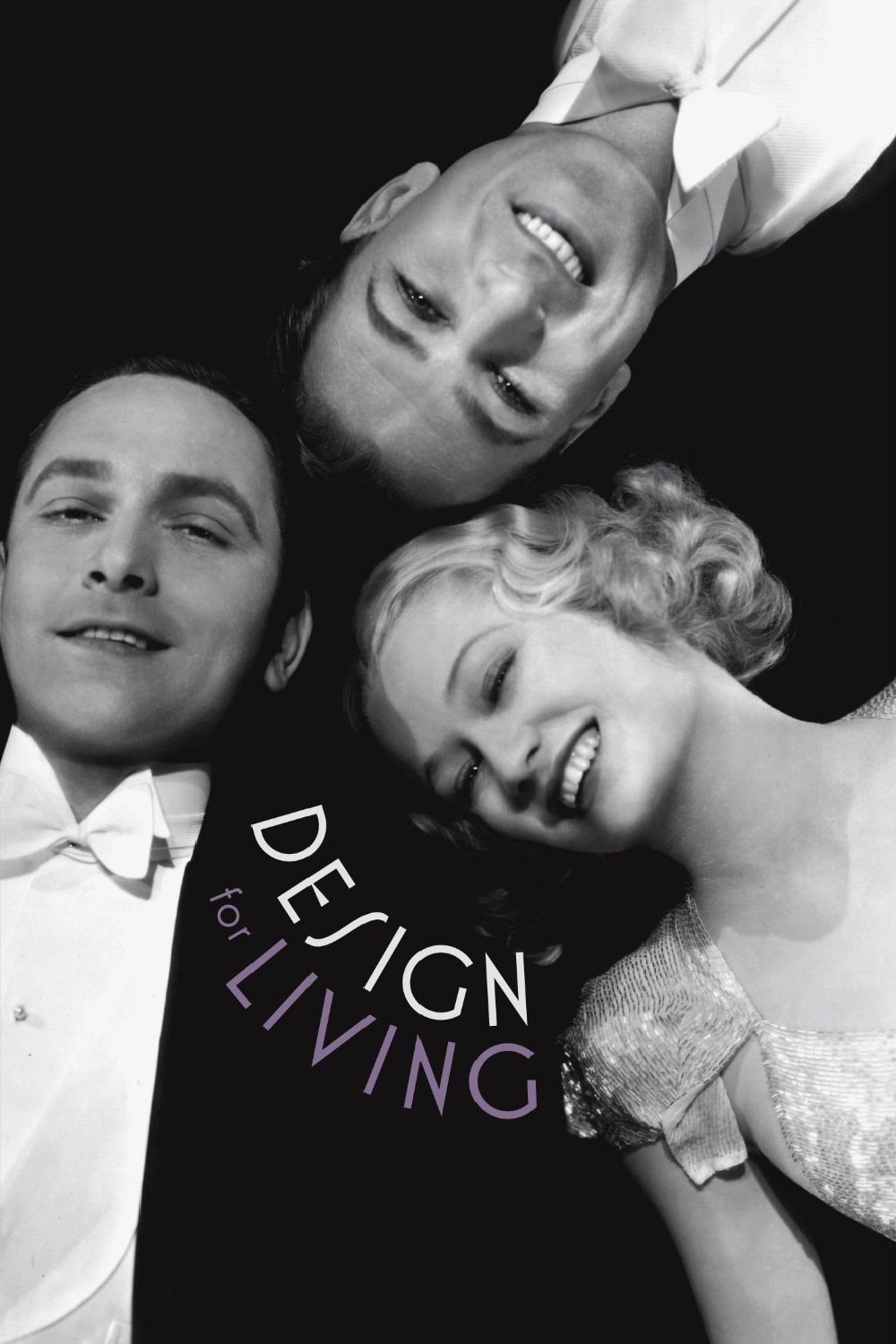
Design for Living
Design for Living
Directed by Ernst Lubitsch. 91 mins. (1933)
Gary Cooper – George Curtis
In bohemian Paris, an American painter and a playwright form an unconventional ménage à trois with a free-spirited woman who refuses to choose between them, proposing a platonic “gentleman’s agreement”—until jealousy, ambition, and desire test the limits of their modern arrangement.
Also starring Miriam Hopkins, Fredric March, Edward Everett Horton, and Franklin Pangborn.
Based on Noël Coward’s play Design for Living (1932), the film was adapted by Ben Hecht and became a celebrated example of Lubitsch’s sophisticated pre-Code comedies, notable for its frank treatment of sexuality and unconventional relationships.
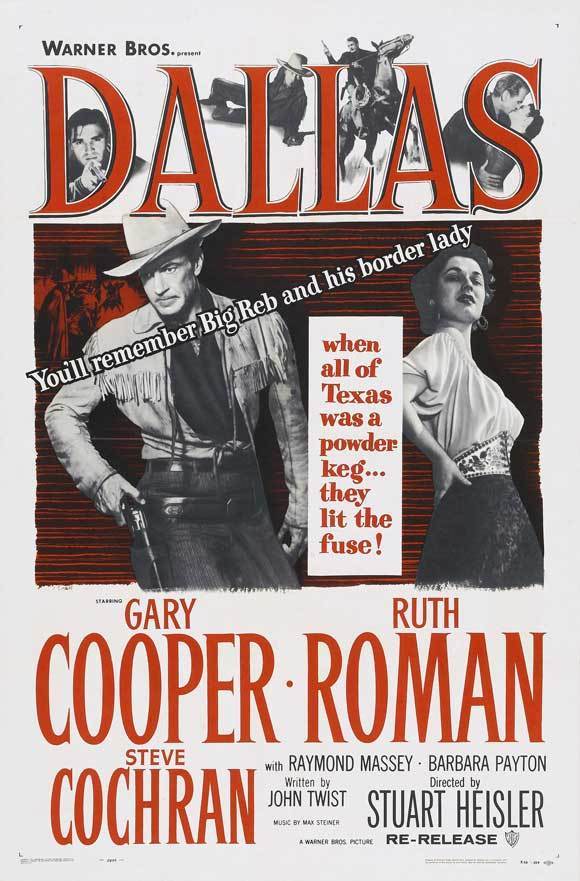
Dallas*
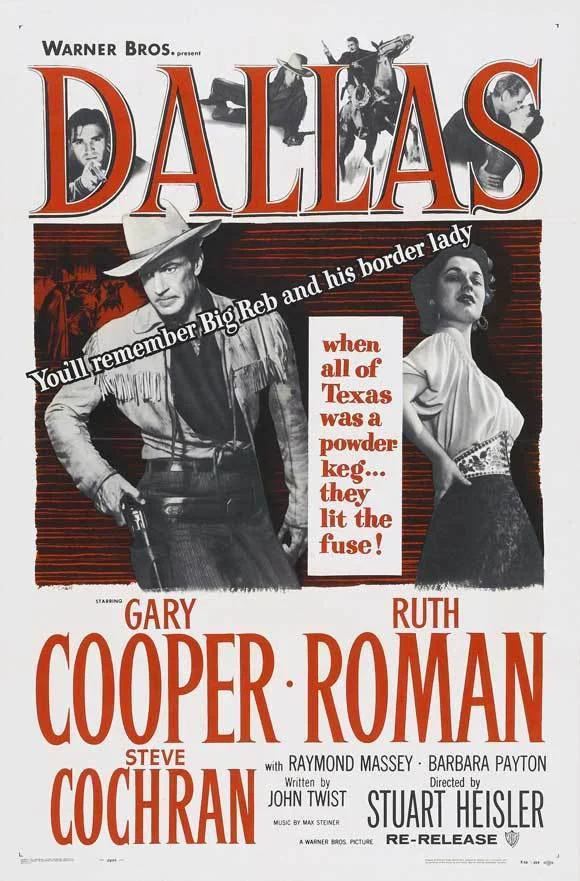
Dallas
Directed by Stuart Heisler. 94 mins. (1950)
Gary Cooper – Blayde “Reb” Hollister
A former Confederate soldier turned fugitive arrives in the booming Texas town of Dallas under an assumed identity, seeking vengeance against the outlaw brothers who destroyed his life—only to find the law and his past closing in.
Also starring Ruth Roman, Steve Cochran, Raymond Massey, and Barbara Payton.
Reed Hadley appears as Wild Bill Hickok in the film. Gary Cooper had previously portrayed the legendary frontier figure in The Plainsman (1936), creating a subtle connection between the two westerns.
MARIA’S NOTES
Dallas was made as one of a group of films the studio offered my father with not much leeway in choosing yeah or nay. It was a Western between two non-Westerns - Bright Leaf, based on a true tobacco family drama and Distant Drums, that dealt with not the American West but the Seminole Indians in Florida. Getting “back in the saddle” was something my father was always comfortable with, but an actor/artist always wants to stretch his own limits and feel he’s moving in new directions, honing his craft. Was he able to do that in Dallas? I don’t know, he never spoke about it and I suspect, as Picasso said, “I learn from the paintings that don’t work.” Maybe to study Dallas, one can see what spurred my father to move on and bring other elements to his roles in Westerns.
Maria Cooper Janis
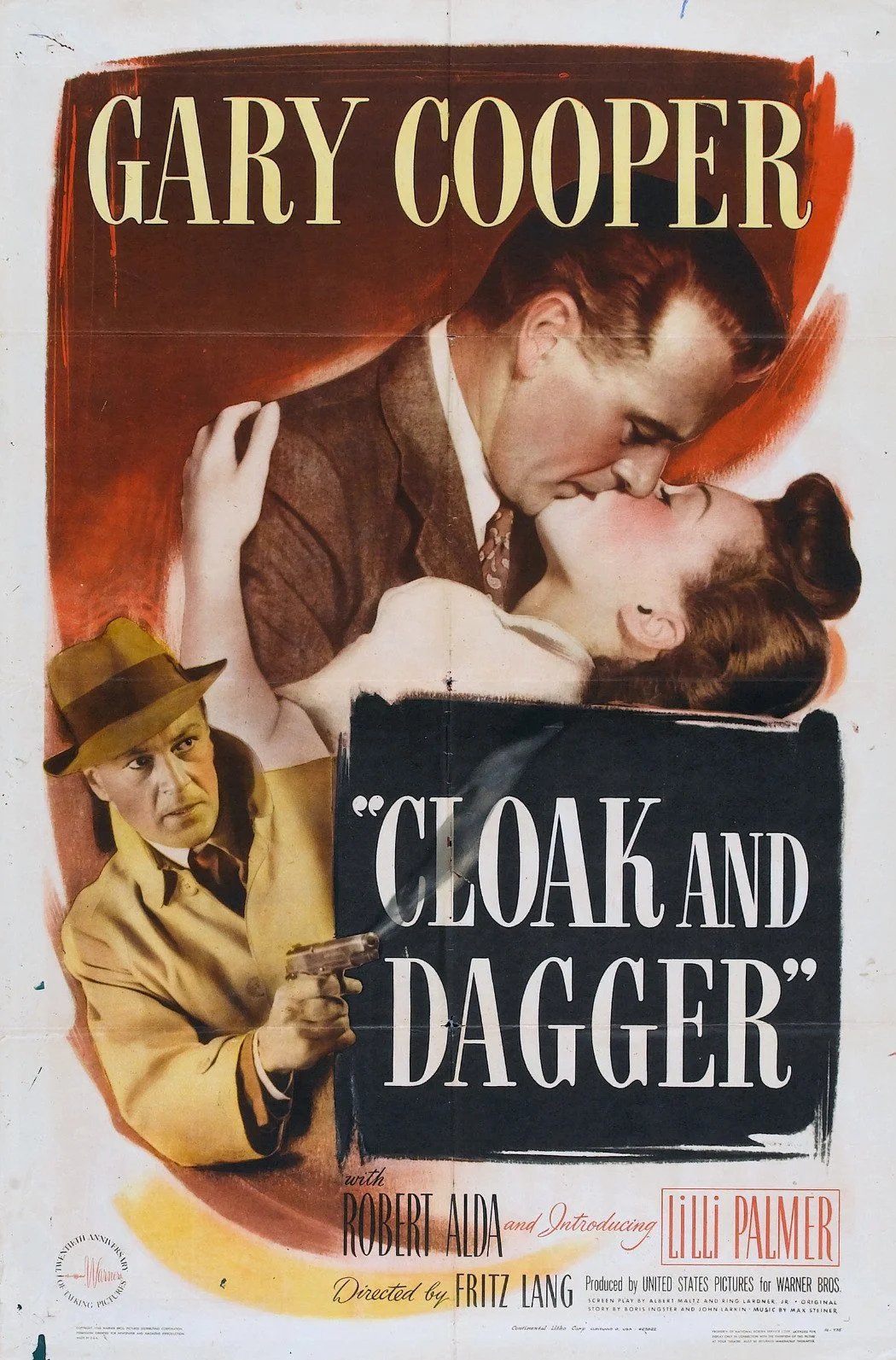
Cloak and Dagger*
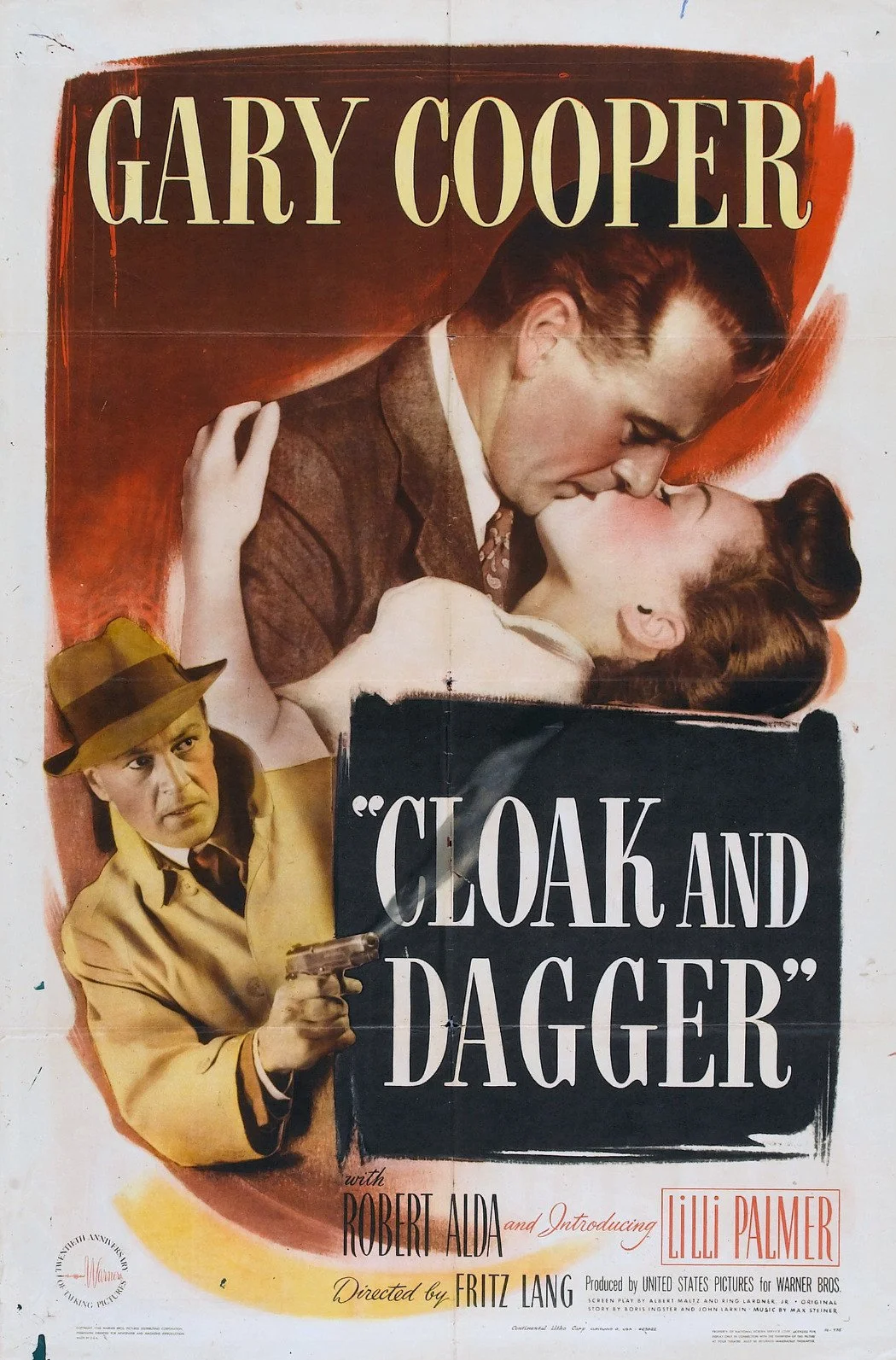
Cloak and Dagger
Directed by Fritz Lang. 106 mins. (1946)
Gary Cooper – Prof. Alvah Jesper
A mild-mannered American physics professor is recruited by government agents to infiltrate Nazi-occupied Europe and gather intelligence on Germany’s atomic research, forcing him into a dangerous world of espionage, resistance fighters, and moral peril far from his academic life.
Also starring Robert Alda, Lilli Palmer, Vladimir Sokoloff, and J. Edward Bromberg.
In one walking shot, Cooper’s limp and leg brace—resulting from a youthful car accident—are briefly visible. There is no indication this was intended as part of the character, offering an unplanned glimpse of the actor’s real-life injury.
MARIA’S NOTES
This film was made in 1946 cast my father very much against type. his role as a nuclear scientist names Alvah Jasper was what the Austrian director Fritz Lang wanted to do, and he always said he based the character Jasper on our famous atomic scientist J. R. Oppenheimier.
I remember going out with my parents to visit Cal Tech where the studio had arranged for him to get a “little coaching” from the scientific community there. To get into the skin of an atomic scientist was not a role my father did with ease. He was coached in order to learn to speak with ease, some of the technical dialogue and acquire some information about the ‘splitting of atoms”!! He was in awe as we stood in the back of the classroom/laboratory and watched the professor fill a huge blackboard with numbers, diagrams, equations: He wrote so fast the images seemed to explode all over the board, like a meadow of Paul Klee creatures come to life. In an unusual way this was a challenging film for my father and he was nervous about delivering his scientific dialogue with enough conviction and knowledge. As for the physical ‘action” there are rough fights in this film and he did not use a double in spite of was suffering from an old hip and back injury.
The “message” of the movie about the dangers of Atomic Energy and its misuse in the wrong hands, created controversy. In a speech that Jasper gives he passionately says— “ Peace? There is no peace. It’s year ONE of the AtomicAge and God have mercy on us all——if we think we can wage other wars without destroying ourselves etc…”. It got thrown out by the studio and they insisted Jasper/Cooper deliver a bland, innocuous speech, which for me undermined some of the guts of the story.
Poppa loved working with Lily Palmer in this, her first American film. She became a close family friend as well a his co-star, and he felt was an extremely fine actress. This is a very different Gary Cooper film, but he always wanted to try out different personas …another facet of his versatile acting talents.
Maria Cooper Janis
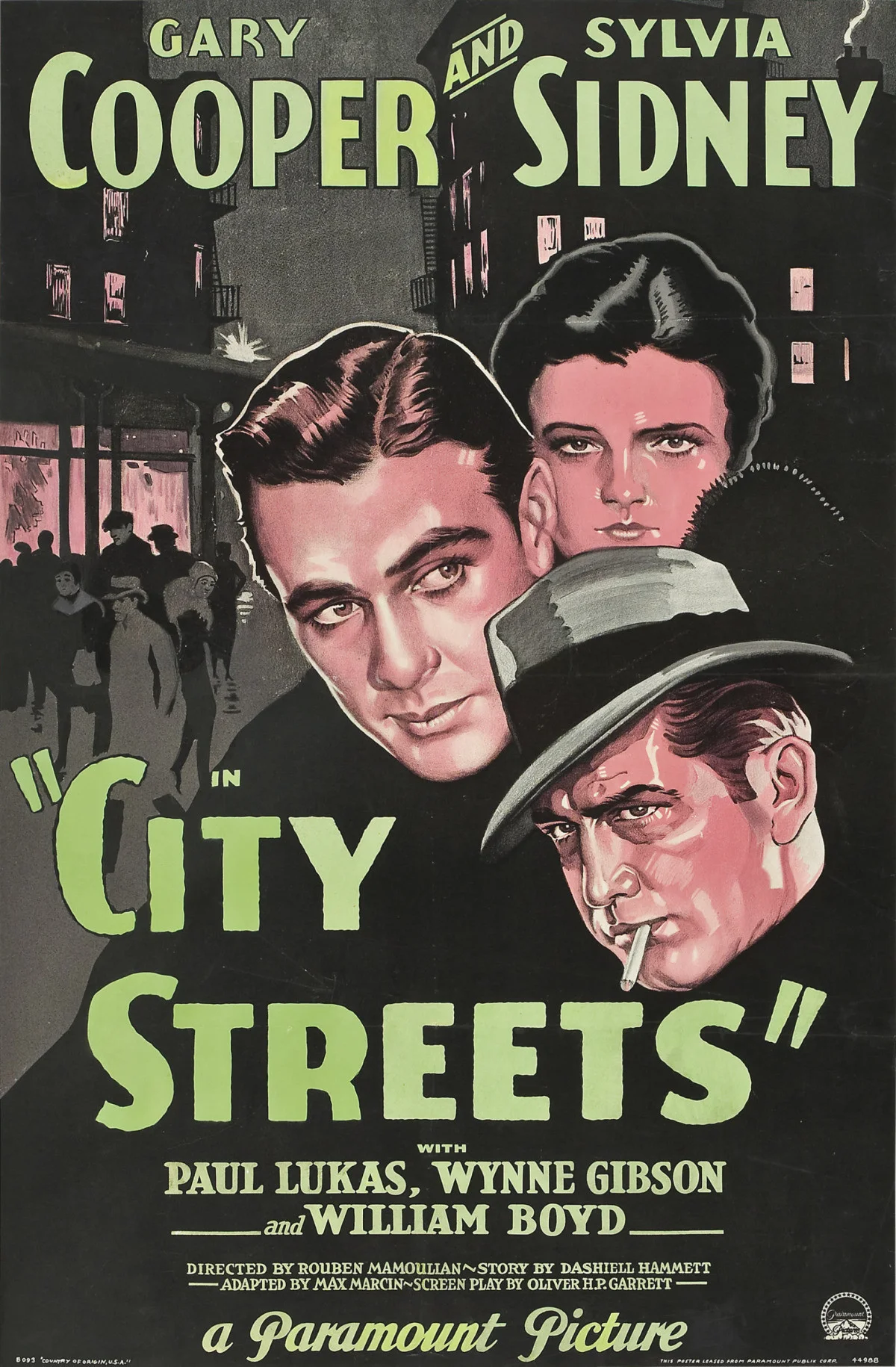
City Streets
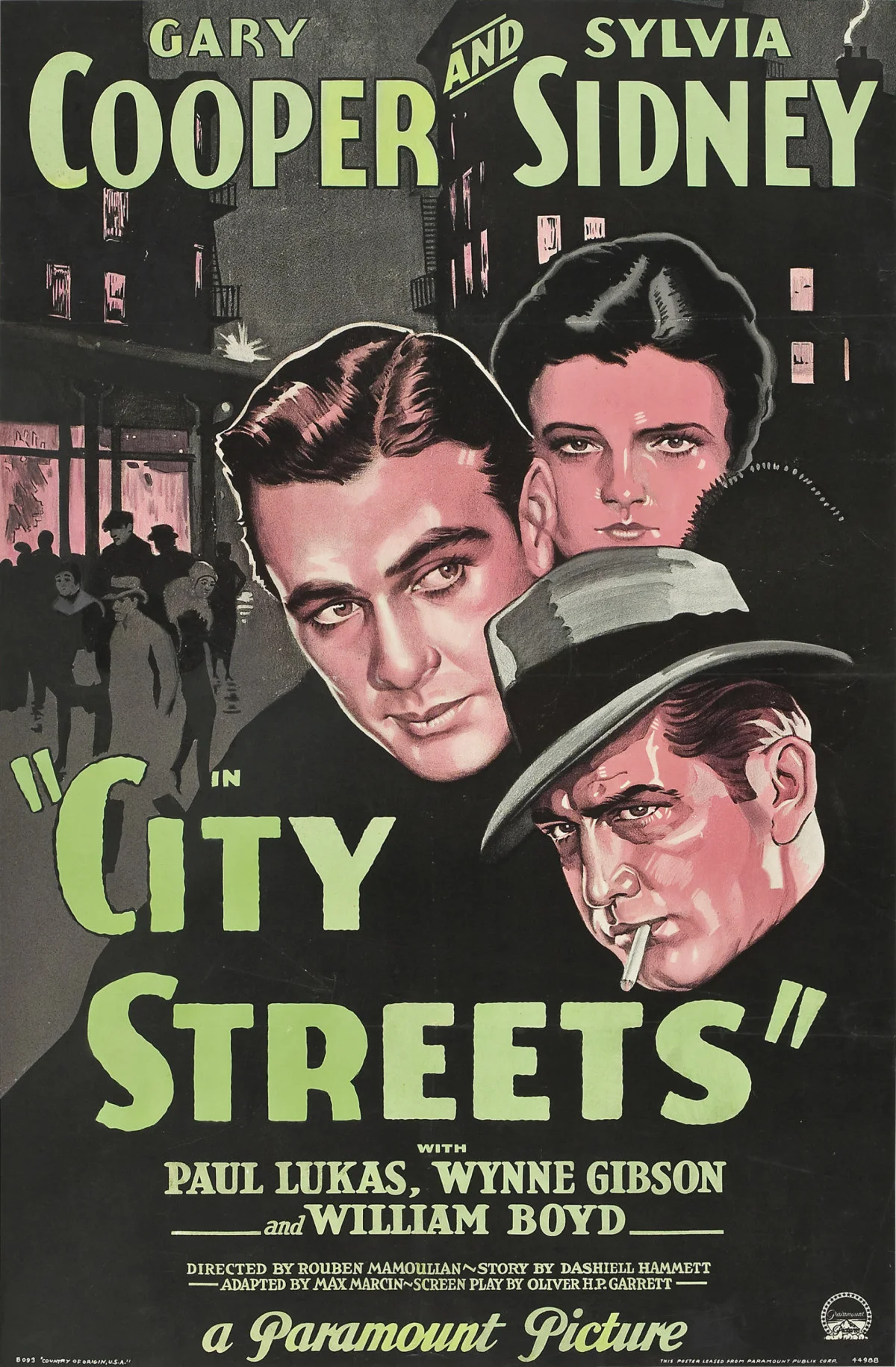
City Streets
Directed by Rouben Mamoulian. 83 mins. (1931)
Gary Cooper – The Kid
A carnival sharpshooter is drawn into the criminal underworld when the woman he loves, the daughter of a powerful racketeer, is imprisoned for a murder tied to her father’s gang—forcing him to choose between loyalty to her and the violent life he never wanted.
Also starring Sylvia Sidney, Paul Lukas, William “Stage” Boyd, and Wynne Gibson.
The film features one of early sound cinema’s first dramatic flashback devices, with previously heard dialogue replayed over a striking close-up of Sylvia Sidney’s tear-streaked face as she relives past events.
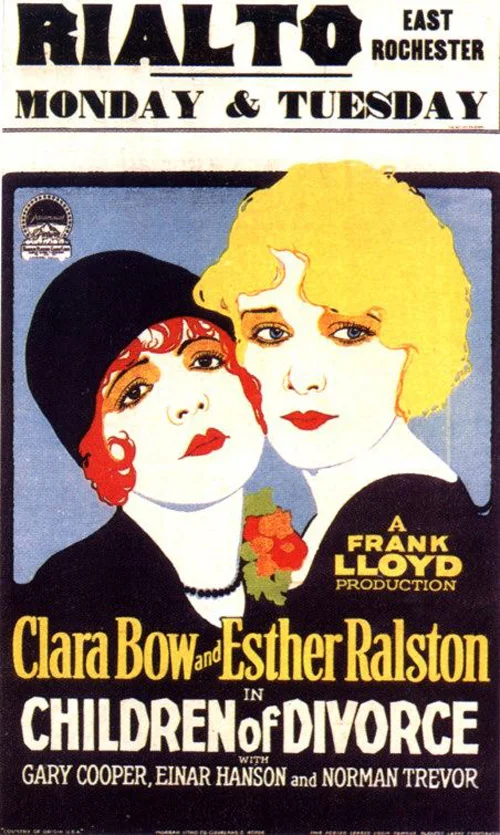
Children of Divorce*
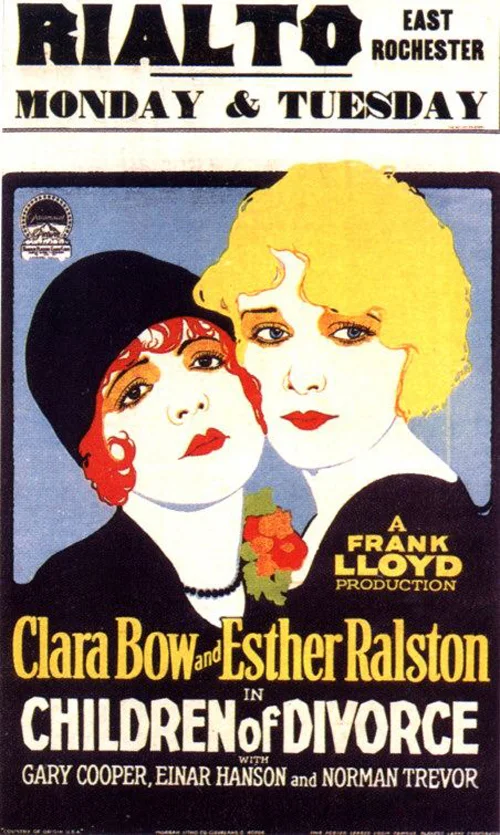
Children of Divorce
Directed by Frank Lloyd 70 mins (1927)
Gary Cooper – Edward D. “Ted” Larrabee
A young flapper tricks her childhood sweetheart into marrying her. He really loves another woman, but didn’t marry her for fear the marriage would end in divorce, like his parents’. Complications ensue.
Also starring Clara Bow, Esther Ralston, Einar Hanson and Norman Trevor
James Hall was originally chosen to play the male lead in this silent movie, but the role was given to Gary Cooper at the insistence of star Clara Bow. The role helped to propel Cooper towards superstardom.
Maria’s Notes
Children of Divorce made in 1927, represented an early major learning curve in Gary Cooper's acting career.
A much publicized romance with the "IT "girl Clara Bow and himself had the gossip columns buzzing. In fact, it was she who helped him get the part in that film. It turned out to be a tough moment for my father as he was not used to playing the kind of character the role required - that of a fast talkin' society boy type, sophisticated and spoiled. It was a big jump from the "born in the saddle" western cowboy and his other smaller roles.
In one scene where he is supposed to be smartly drinking champagne with Clara Bow, he apparently spilled it all over her in 23 straight takes! Up tight and flustered, Cooper got himself fired and became very depressed thinking his acting career was over.
B.P. Schulberg, a major Associate Producer at Paramount, went to bat for my father, arranged to have him re-hired, and talked to his other leading lady, Ester Ralston, encouraging her to be extra kind to him. When a new director Josef von Sternberg was hired, things on set took a better turn, my father’s confidence returned and so the magic that emanated from Gary Cooper on screen become evident again.
The romance between him and Clara Bow ran its course. In fact, her way of life he found depressing but he remained fond of her and was grateful for her part in shaping his early Hollywood life.
Maria Cooper Janis

Bright Leaf
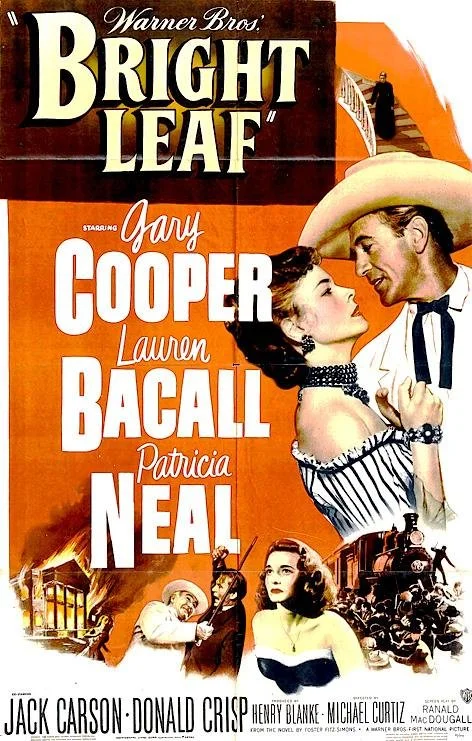
Bright Leaf
Directed by Michael Curtiz. 110 mins. (1950)
Gary Cooper – Brant Royle
An ambitious outsider returns to his Southern hometown determined to topple the powerful tobacco magnate who once ruined his family—using love, marriage, and ruthless industry to seize both fortune and status, with tragic consequences.
Also starring Lauren Bacall, Patricia Neal, Jack Carson, Donald Crisp and Gladys George.
Set in the late-19th-century American tobacco boom. The production acquired an authentic turn-of-the-century cigarette-making machine for historical accuracy. The film marked the final picture of Lauren Bacall’s seven-year Warner Bros. contract.
MARIA’S NOTES
TOBACCO. Be it smoking or chewing it, what a driving force in so many cultures worldwide.
The term “bright leaf” is a description of a certain type of flue-cured, heat-dried tobacco which turns a brilliant yellow. This type became very popular in North Carolina in the early 1840’s. My father’s film Bright Leaf tells the somewhat dramatized story of the great business rivalries in developing America between two Tobacco tycoons in the late 19th century. There were big fortunes to be made, especially with the invention of a cigarette-making machine that took that task away from the previous group of workers––women and children.
The actual men involved were John Harvey McElwee, portrayed by my father in the film as Brant Royal, and James Buchanan Duke, of Duke University. Through the tobacco industry, the Duke family became known as the Southern Rockefellers!
By comparison, John McElwee did not fare so well. As the movie unfolds, we see the tragedy of competition and ambition destroying a man who was trying to make it to the top of the heap. The movie is very dramatic, with strong dynamic tensions between Brant Royal and the two female leads, portrayed by Patricia Neal and Lauren Bacall.
McElwee’s great grandson, Ross McElwee, made an interesting documentary in 2003 about the family drama and history. The film, Bright Leaves, explores the legacy of the tobacco empire in North Carolina and investigates whether Bright Leaf was inspired by the real-life feud between his great-grandfather and the Duke family. Through interviews, family stories, and personal reflection, McElwee pieces together a complex portrait of Southern identity and the complexities of family businesses.
An ironic footnote: As I write about this film, I can’t help but acknowledge that my father died of cancer—the primary site being in his lungs. He smoked like a chimney and tried many times to stop––unsuccessfully! Our close family friend Dr. Alton Ochsner, head of the Ochsner Clinic in New Orleans, showed my father his research laboratory riddles with dozens of cancer-damaged lungs. He came back home saying “Never, never again am I having another cigarette!”
First day back on the set – stress. Out came the Chesterfields or Parliaments. He died from cancer one week after his 60th birthday.
Bright Leaf may be a dramatization, but it offers a powerful glimpse into the roots of American industry and the real cost of ambition. It’s a film worth revisiting—not just for the performances, but for what it reveals about how a single crop shaped a nation’s economy, culture, and conscience.
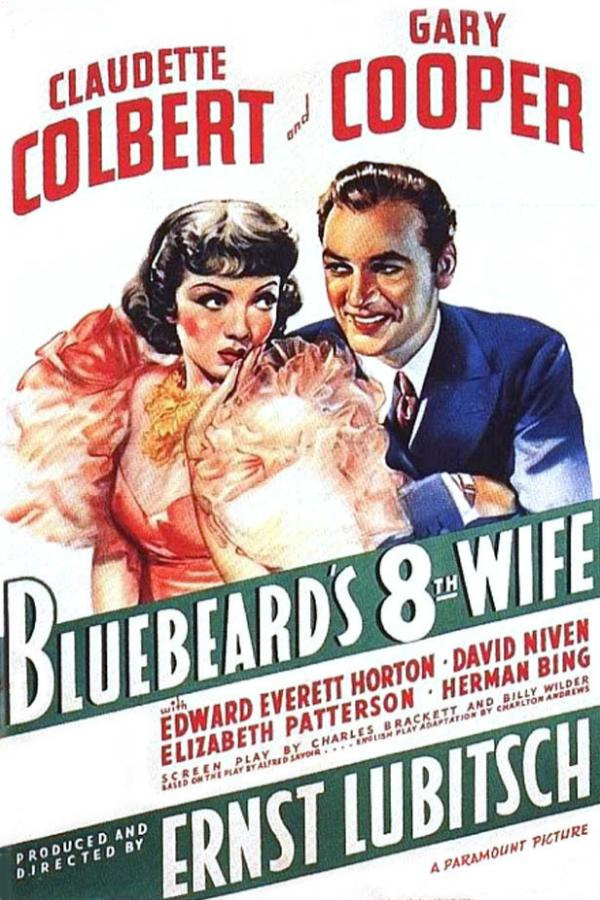
Bluebeard’s 8th Wife
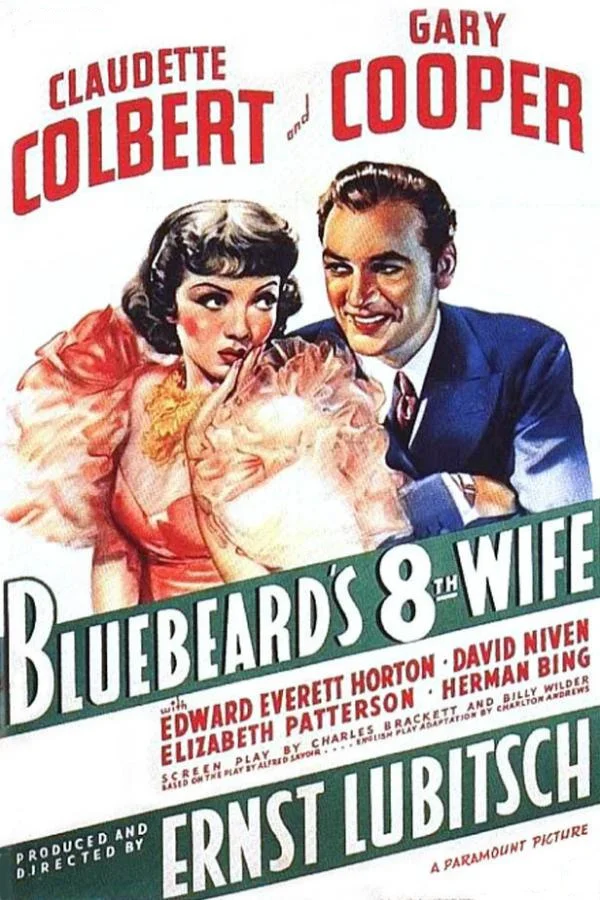
Bluebeard’s 8th Wife
Directed by Ernst Lubitsch. 85 mins. (1938)
Gary Cooper – Michael Brandon
A wealthy American playboy marries the spirited daughter of an impoverished French aristocrat—only to discover that his new bride has no intention of becoming merely the eighth name in his string of ex-wives, and sets out to reform him through wit and psychological strategy.
Also starring Claudette Colbert, Edward Everett Horton, David Niven and Elizabeth Patterson.
Based on the French play by Alfred Savoir, translated by Charlton Andrews and produced on Broadway in 1921. The story was previously filmed as a silent feature starring Gloria Swanson before Lubitsch’s celebrated romantic comedy adaptation.